After product-market fit, the marketing goal shifts from finding demand to scaling demand without breaking the system. The most consistent advice across the sources is to keep customer research active, use data to guide decisions, tighten the funnel, and expand channels or markets only when the current ones are close to saturation.
What to do next:
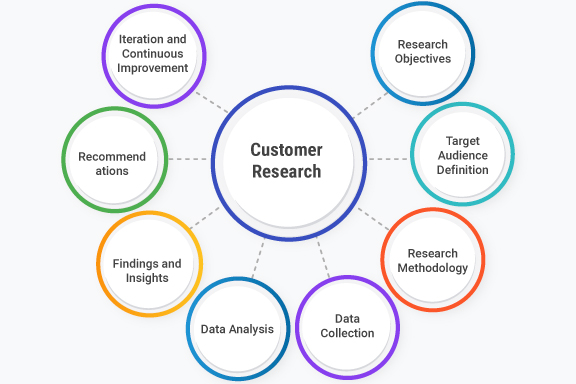
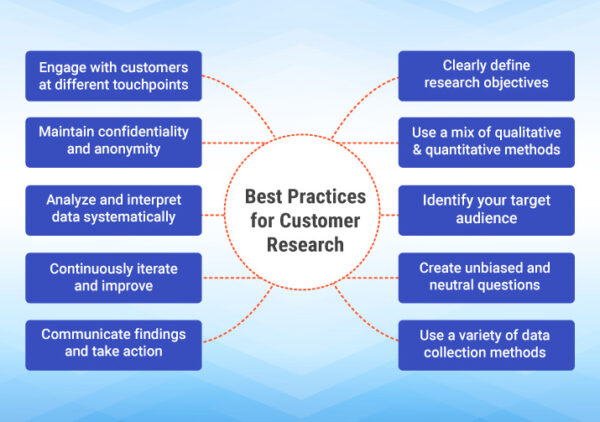
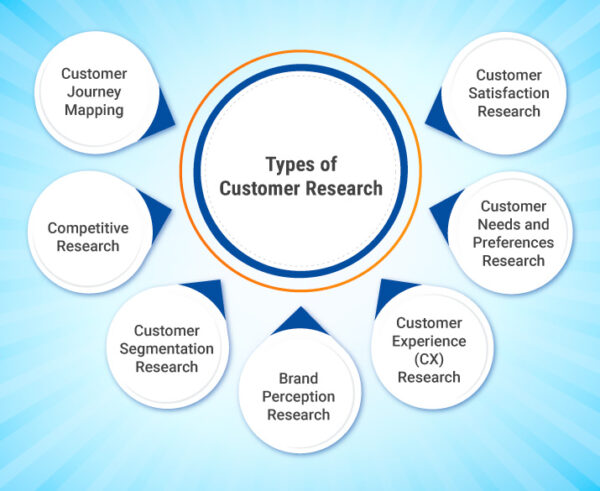
- Reassess your users regularly so you keep learning from customers beyond early adopters and avoid scaling away from what actually works.
- Build a data-driven marketing culture using analytics, CRM, and marketing automation to decide where to invest and to spot bottlenecks in the journey.
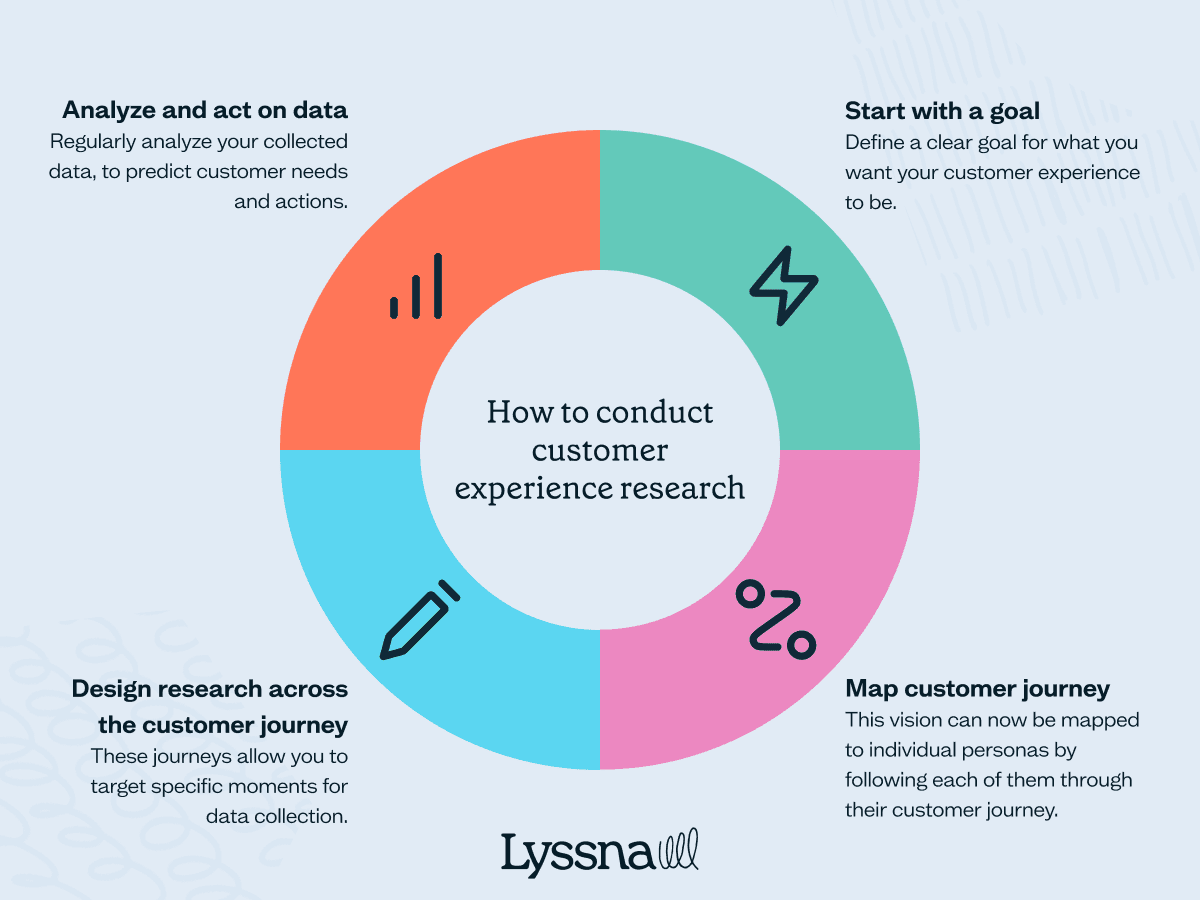
- Optimize the funnel by mapping the customer journey and fixing drop-off points from awareness to purchase.
- Focus on retention and loyalty, since retaining customers is often more cost-effective than acquiring new ones; referral programs and personalized communication are common tactics.
- Consolidate and deepen channels rather than spreading too thin, especially if you are still early in scaling and need repeatable growth experiments.
- Shift hiring priorities toward specialists in marketing, sales, support, and product so execution can keep up with growth.
- Consider adjacent expansion only when current markets or sales channels are nearing saturation; expansion should stay close to your existing strengths to limit risk.
A practical marketing sequence is:
- Confirm that retention, activation, and repeat usage are healthy.
- Double down on the channels that already convert best.
- Improve onboarding, messaging, and pricing tests to raise conversion.
- Add lifecycle marketing, referral, and content programs to increase expansion and word-of-mouth.
- Expand into adjacent segments or products once current growth starts flattening.
If you want, I can turn this into a 90-day post-PMF marketing plan or a channel-by-channel scaling checklist.