Getting a website mentioned by AI usually comes down to three things: crawlability, extractable content, and trust.
Best practices
- Make pages easy to crawl. Keep important pages accessible, fast, and readable in clean HTML so AI systems can fetch and process them reliably.
- Lead with the answer. Put a direct, concise answer at the top of each page and section so it can be lifted into an AI response cleanly.
- Use question-based headings. Format headings around real user questions, such as “How does pricing work?” instead of vague labels.
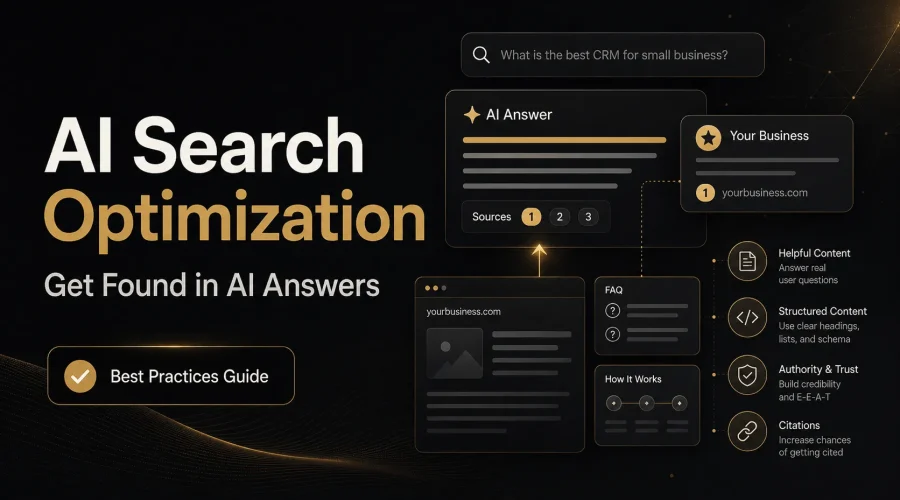
- Add FAQ blocks. Clear question-and-answer sections are often easier for AI systems to extract and reuse.
- Publish original, citation-worthy content. Unique data, case studies, research, and methodology make your site more likely to be referenced.
- Strengthen topical authority. Build content clusters around a subject instead of isolated posts, with related pages linking together.
- Show expertise and trust signals. Use author bios, sources, dates, updates, contact details, and consistent brand information across the site.
- Use structured data where relevant. Schema markup can help systems understand page type and key entities more clearly.
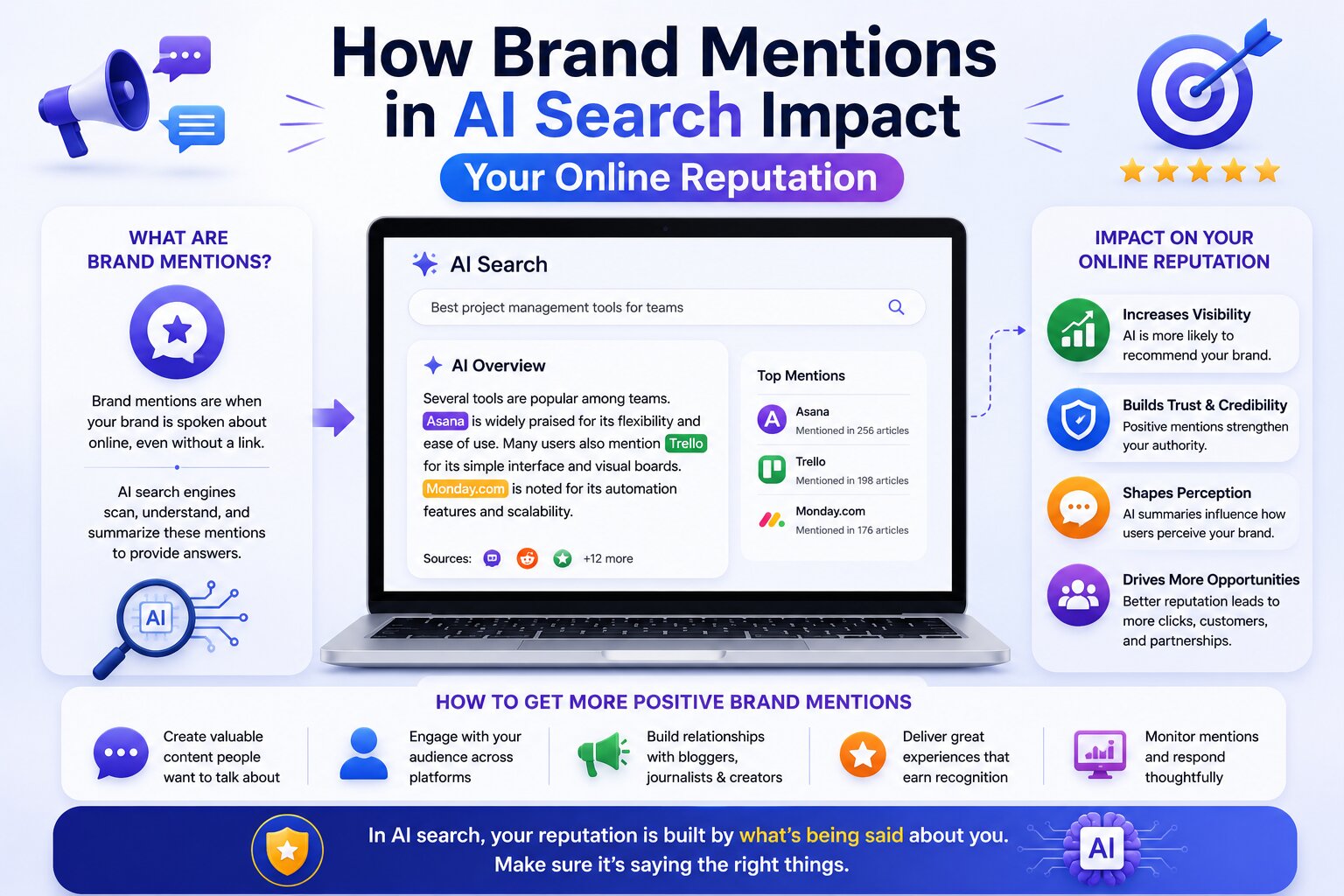
- Build recognition beyond your site. Mentions and citations from other reputable sites help reinforce authority and brand consistency.
- Keep content current. Update pages regularly and show last-updated dates when the information changes.
Practical priority order
- Fix technical crawl/access issues.
- Rewrite top pages so they answer questions directly.
- Add original proof, statistics, or examples.
- Improve internal linking into topic hubs.
- Earn external mentions from relevant sources.
What matters most
AI systems are more likely to mention a site when they can find it, understand it quickly, and trust it enough to quote or summarize it.
If helpful, a short checklist for optimizing one specific page can be provided next.