In marketing, qualitative research and analytics answer different questions: qualitative research explains why customers think or behave a certain way, while analytics measures what is happening at scale.
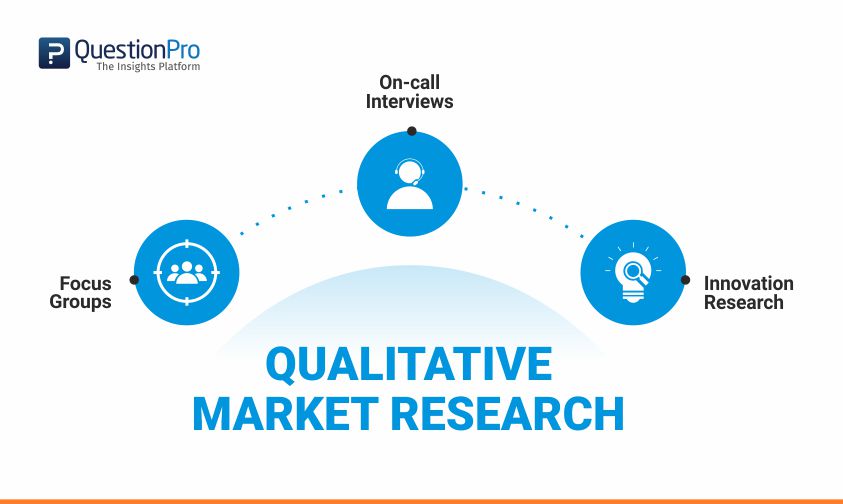
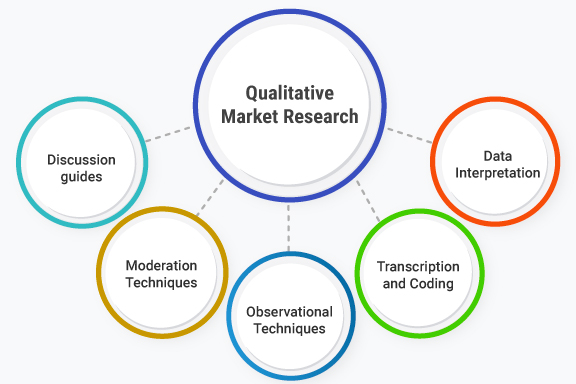
- Qualitative research uses non-numerical data such as interviews, focus groups, open-ended feedback, and observation to uncover motivations, emotions, and context.
- Analytics uses numerical or behavioral data to identify patterns, track KPIs, and measure performance, often through dashboards, surveys with closed-ended questions, A/B tests, and web or product data.
- Qualitative research is best for exploration: discovering new ideas, understanding pain points, and generating hypotheses.
- Analytics is best for validation and optimization: confirming whether an issue is widespread, measuring impact, and prioritizing changes based on scale and frequency.
- The strongest marketing decisions usually combine both, because qualitative insights explain the reasons behind behavior and analytics shows how broadly those insights apply.
| Aspect | Qualitative Research | Analytics |
|---|---|---|
| Main question | Why? | What? / How much? |
| Data type | Non-numerical | Numerical or behavioral |
| Common methods | Interviews, focus groups, observation, open-ended questions | Dashboards, KPI tracking, A/B tests, surveys, behavioral data |
| Best use | Discovery, message testing, customer understanding | Measurement, forecasting, optimization, validation |
| Strength | Rich context and motivations | Scale, comparability, statistical confidence |
If you want, I can also give you a simple decision framework for when to use each in a marketing project.