How to Improve Conversion When Reach Is High but Leads Are Low
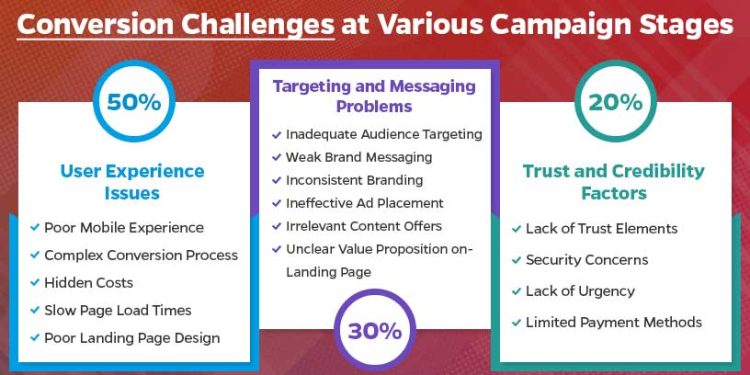
If your marketing is generating lots of reach but few leads, the issue is usually one of these:
- The audience is too broad
- The offer is not compelling enough
- The landing page is unclear or distracting
- The follow-up process is too slow
- You’re measuring the wrong conversion step
What to do
1. Tighten your targeting
High reach often means your message is getting in front of people who are not ready to act.
- Focus on audiences with stronger intent
- Use segmentation by industry, role, behavior, or purchase stage
- Exclude recent converters and low-value segments
- Retarget people who visited high-intent pages like pricing or demo pages
2. Make the offer clearer and more valuable
People won’t convert if the next step feels vague or low value.
- Use a single, clear primary conversion goal
- Make the benefit obvious in the first screen
- Offer something concrete: demo, quote, trial, consultation, checklist, or guide
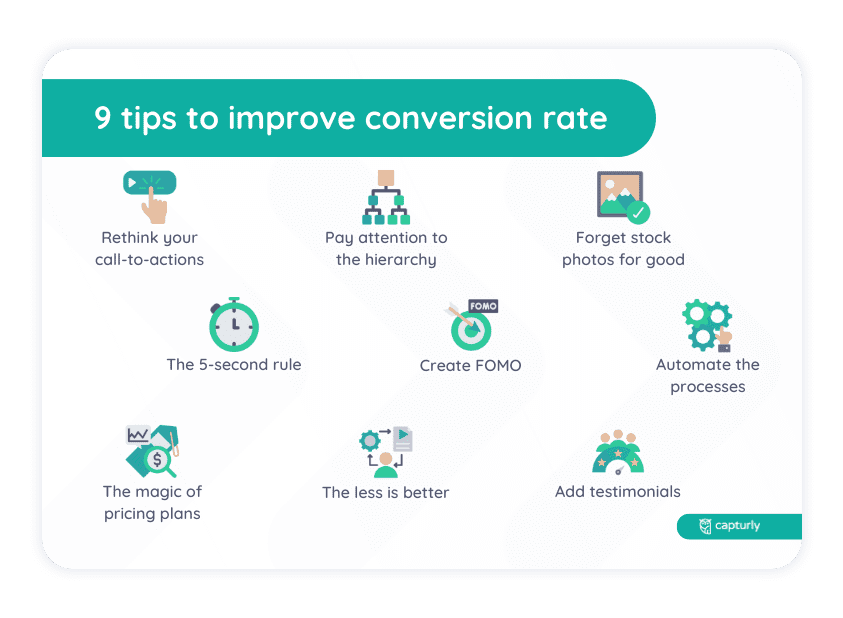
- Remove competing calls to action
3. Improve the landing page
A lot of traffic does not help if the page is weak.
- Put the value proposition near the top
- Keep the page focused on one action
- Reduce clutter and unnecessary links
- Add trust signals such as testimonials, reviews, case studies, or proof points
- Test different headlines, layouts, and calls to action
4. Capture leads with less friction
If your forms are too long or demanding, people drop off.
- Ask only for essential fields
- Use shorter forms for early-stage offers
- If needed, collect more details later in the funnel
- Consider chat, booking widgets, or instant scheduling on high-intent pages
5. Follow up faster
For high-intent leads, speed matters a lot.
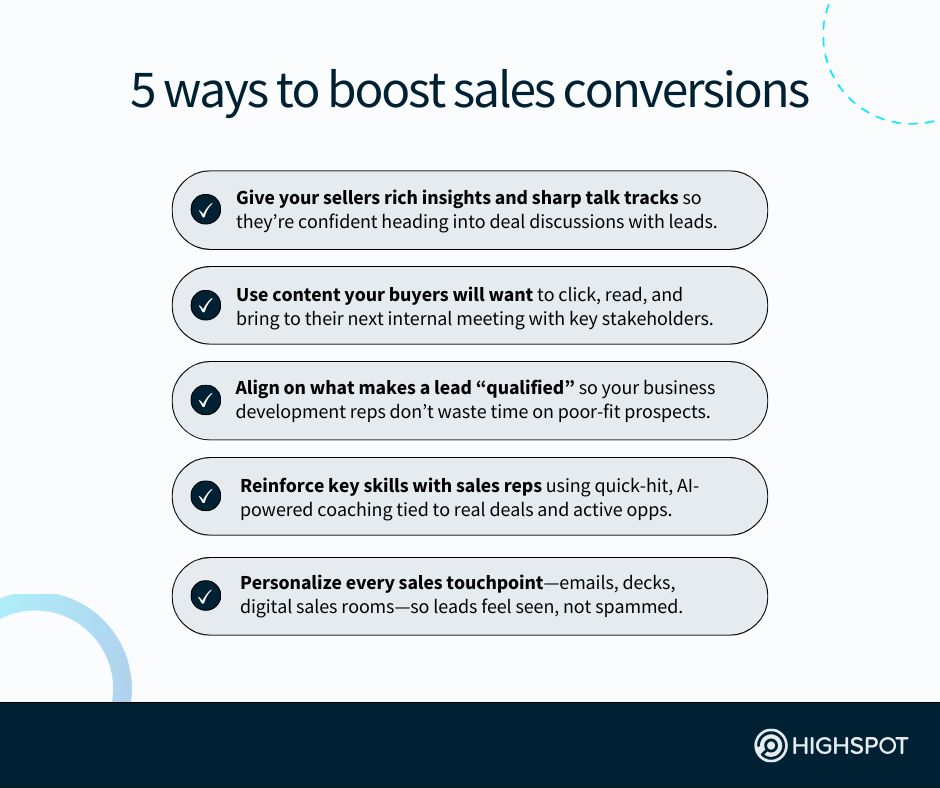
- Set a response-time SLA, ideally within minutes for strong leads
- Route leads automatically to the right rep
- Use fallback rules so no lead is missed
- Track time-to-first-touch as a core metric
6. Use lead scoring
Not all traffic is equal.
- Score leads based on behavior such as repeat visits, pricing-page views, or form submissions
- Prioritize hot leads for immediate sales follow-up
- Nurture lower-intent leads with email or retargeting
7. Test one change at a time
To find what is causing low conversion, run controlled tests.
- A/B test headlines, form length, CTA copy, and page structure
- Compare one variation against a control
- Measure the result against a clear conversion metric
Best metrics to watch
Instead of only watching reach, track:
- Landing page conversion rate
- Form completion rate
- Click-through rate to the lead form
- Time-to-first-touch
- Demo request rate
- Qualified lead rate
Simple diagnosis
- High reach, low clicks → message or audience mismatch
- High clicks, low form fills → landing page or offer issue
- High form starts, low completions → form friction
- High lead volume, low sales outcomes → lead quality or follow-up issue
Fastest improvements to try first
- Narrow your audience
- Strengthen the offer
- Simplify the landing page
- Shorten the form
- Speed up follow-up
- Add retargeting for visitors who did not convert
If you want, I can also turn this into a step-by-step conversion audit checklist for your website or campaign.