Key Principles for High-Converting Wedding Photography Websites
High-converting websites for wedding photography businesses prioritize visual storytelling, seamless user experience, and clear calls-to-action (CTAs) to guide visitors toward bookings, while ensuring mobile responsiveness and SEO optimization.
Essential Design and Content Elements
Focus on these core components to transform visitors into clients:
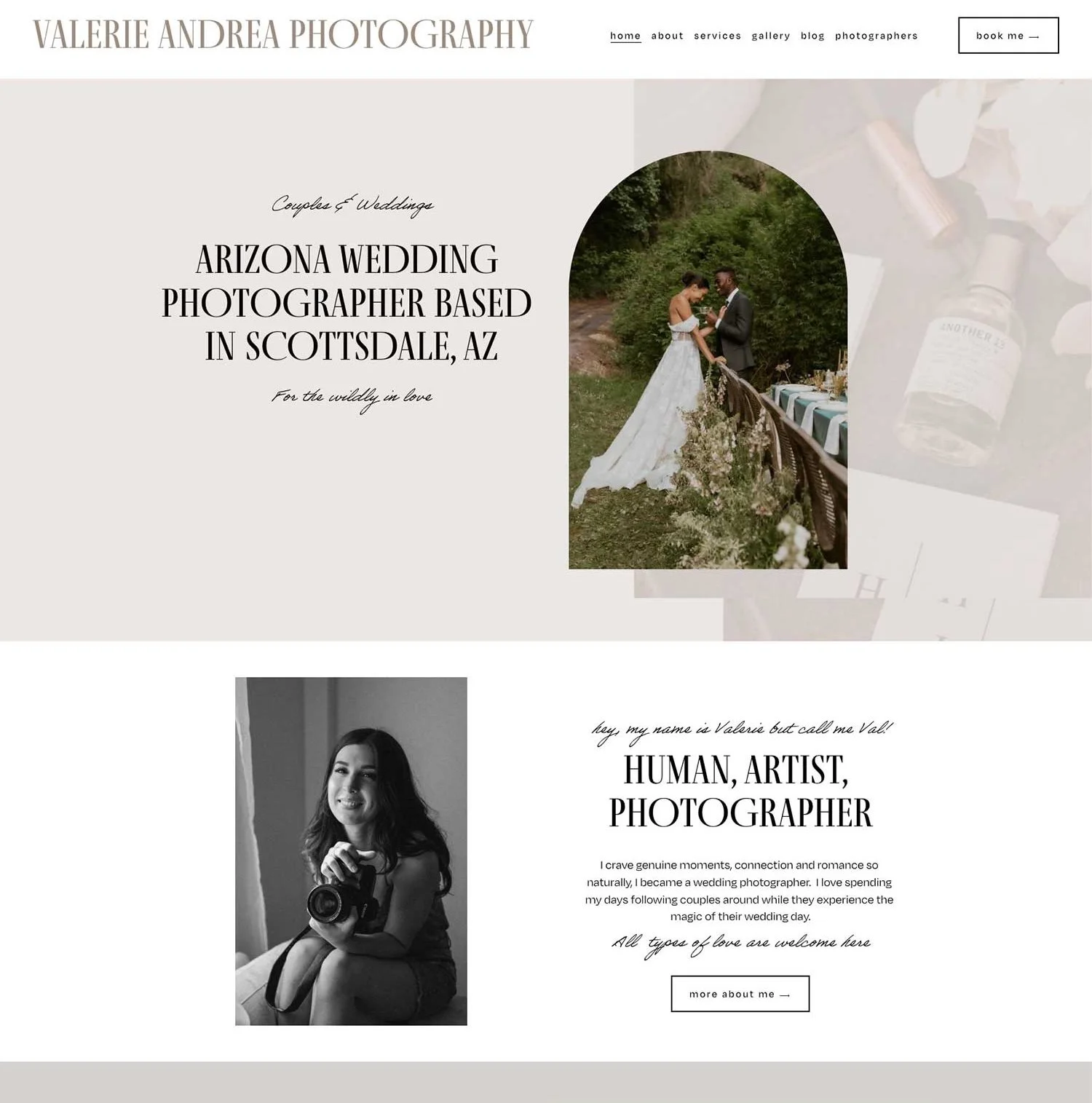
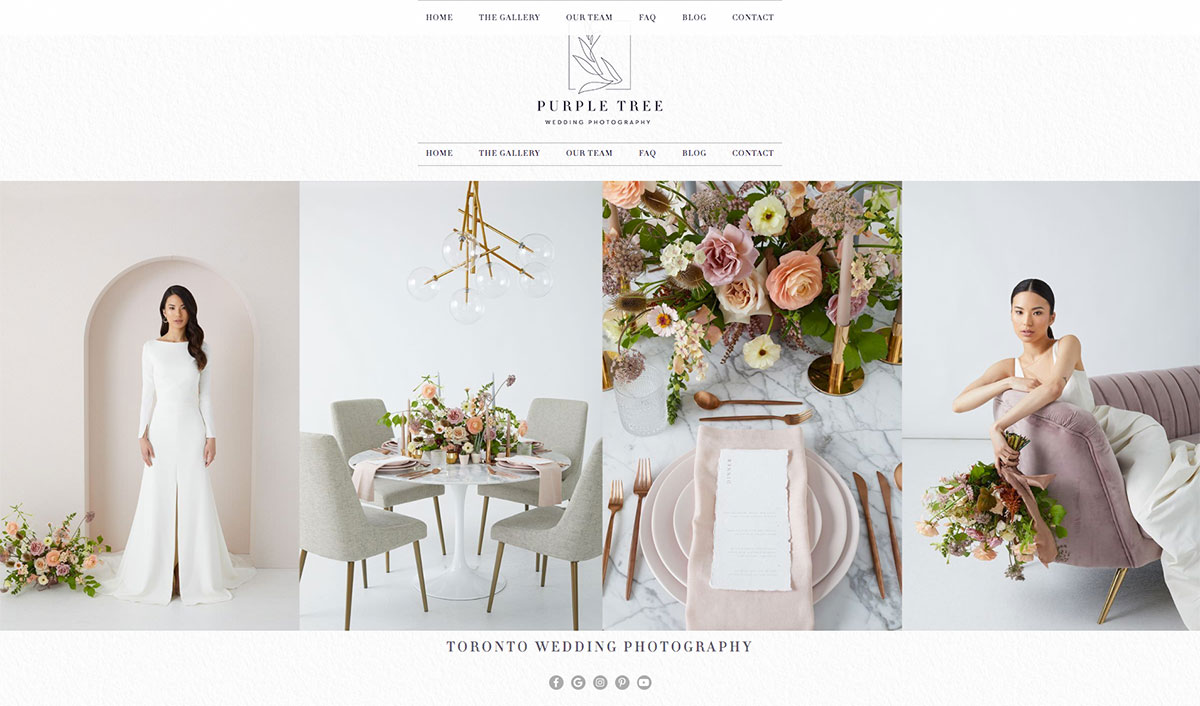
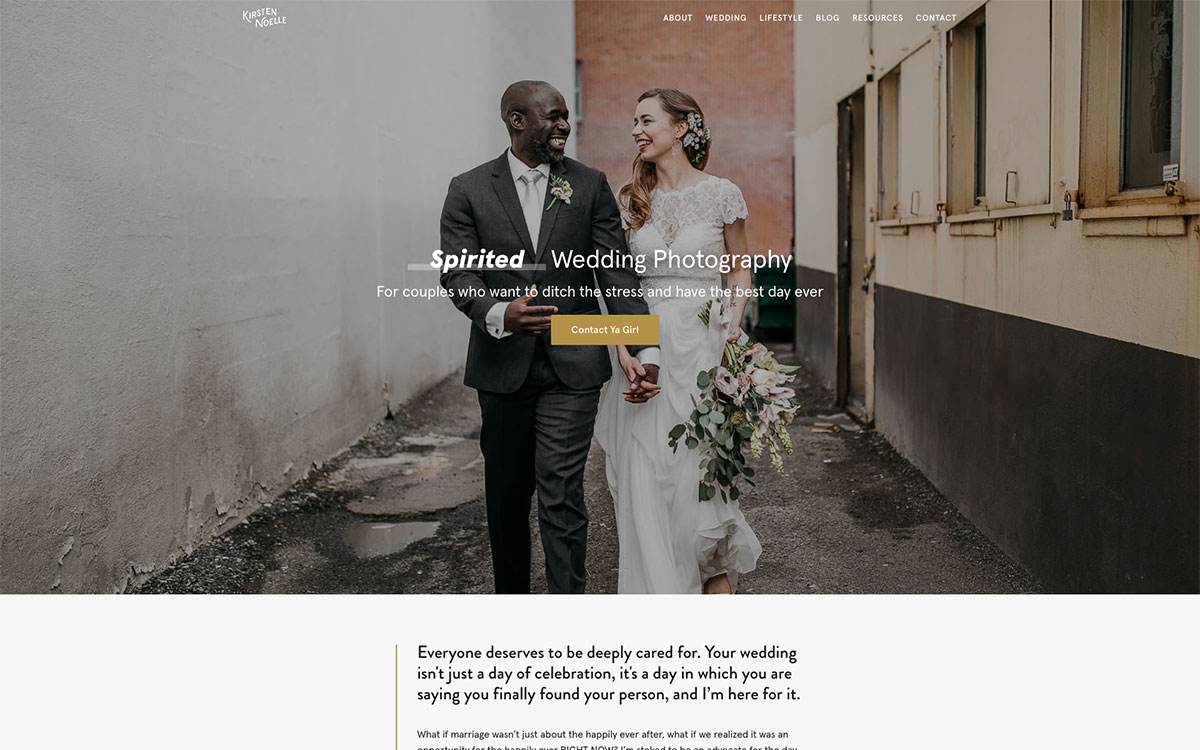
- Cohesive Branding and Hero Images: Start with a visually appealing homepage featuring your standout wedding photos that reflect your current editing style and artistic story. Use consistent branding across all pages to build trust and recognition.
- Minimal, User-Friendly Layout: Keep designs clean and uncluttered with intuitive navigation—place key elements like portfolio, about, services, pricing, and contact above the fold. Avoid Flash or overly complex features that slow loading.
- Stunning, Optimized Galleries: Curate high-quality wedding collections with lightbox viewing, searchable categories, and SEO-friendly alt text/captions. Limit to your best work to attract ideal clients.
- Strategic About and Pricing Pages: Craft an about page that connects emotionally (beyond biography) and a pricing page that clearly outlines packages with value propositions to reduce hesitation.
- Prominent CTAs and Contact Forms: Include bold, intent-specific buttons like "Book Consultation" or "View Pricing," paired with advanced forms capturing lead details. Make location info immediately visible.
- Blog for SEO and Engagement: Integrate a blog to showcase recent weddings, support content marketing, and drive organic traffic.
Optimization for Conversions and Performance
- Mobile Responsiveness: Ensure full functionality on all devices, as most wedding planning occurs via mobile—preview templates accordingly.
- Speed and SEO: Compress images, use descriptive file names, and leverage tools like NextGEN Gallery for fast-loading, searchable sites that rank higher.
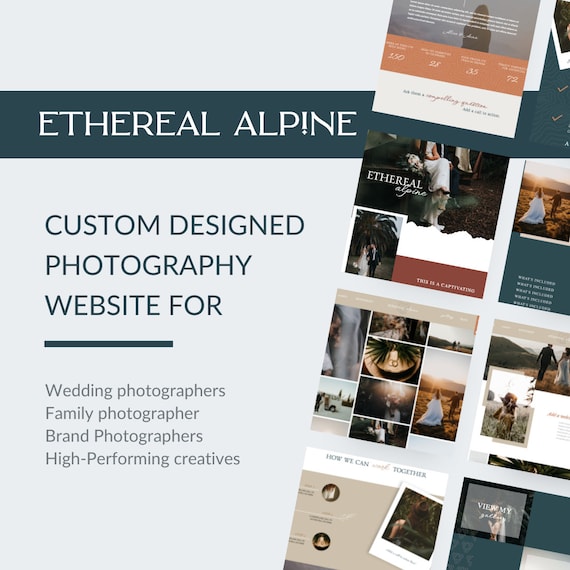
- Templates and Tools: Select photography-specific templates (e.g., from Focal or Showit) that balance aesthetics with conversion features; AI builders can simplify setup.
Regularly update content and test user flow to minimize bounce rates and maximize inquiries.