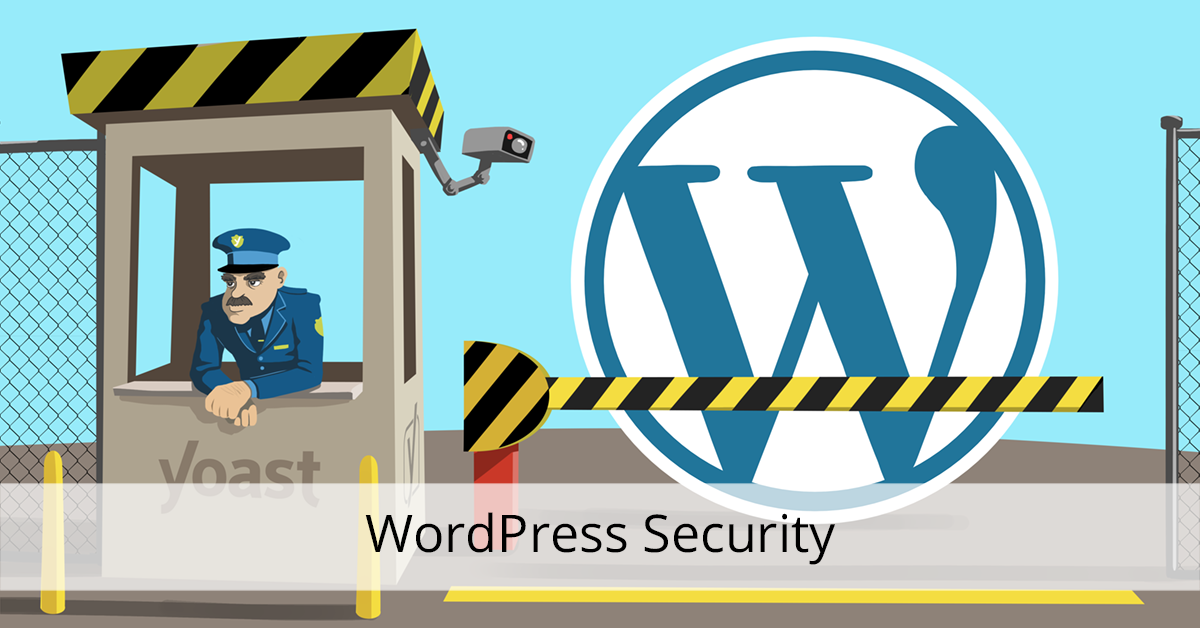
Educating Teams and Users: Reducing Human Error in WordPress Security
Educating teams and users about WordPress security best practices is crucial for minimizing risks associated with human error. Here are some key strategies to help reduce human error and enhance WordPress security:
1. Conduct Security Training
- Recognize Phishing Attempts: Train users to identify phishing emails and other social engineering tactics.
- Use Strong Passwords: Emphasize the importance of strong, unique passwords for all accounts.
- Secure Data Handling: Teach users how to handle sensitive data securely, such as using encrypted communication channels.
2. Share Resources
- Documentation and Guides: Provide access to trusted guides and tools related to WordPress security.
- Regular Updates: Keep users informed about the latest security threats and best practices.
3. Implement Best Practices
- Regular Updates: Ensure that WordPress core, themes, and plugins are always up-to-date to prevent exploitation of known vulnerabilities.
- User Permissions: Limit user roles and capabilities to the minimum required for each user's tasks.
- Two-Factor Authentication (2FA): Enable 2FA to add an extra layer of security for user logins.
4. Monitor and Automate
- Automated Scans: Use tools like Autopilot to automate updates and vulnerability checks, reducing human error.
- Security Plugins: Install reputable security plugins to monitor site activity and detect potential threats.
5. Stay Vigilant
- Regular Audits: Perform regular security audits to identify and address potential vulnerabilities.
- Stay Informed: Keep up-to-date with the latest security threats and best practices to adapt your security strategies accordingly.
By implementing these strategies, teams and users can significantly reduce the risk of human error in WordPress security, ensuring a more secure online presence.