The fastest way to test a value proposition is to run a small experiment that forces real tradeoffs: compare message options, measure which ones people choose, and then validate willingness to pay with a low-cost market test.
A practical quick-testing sequence is:
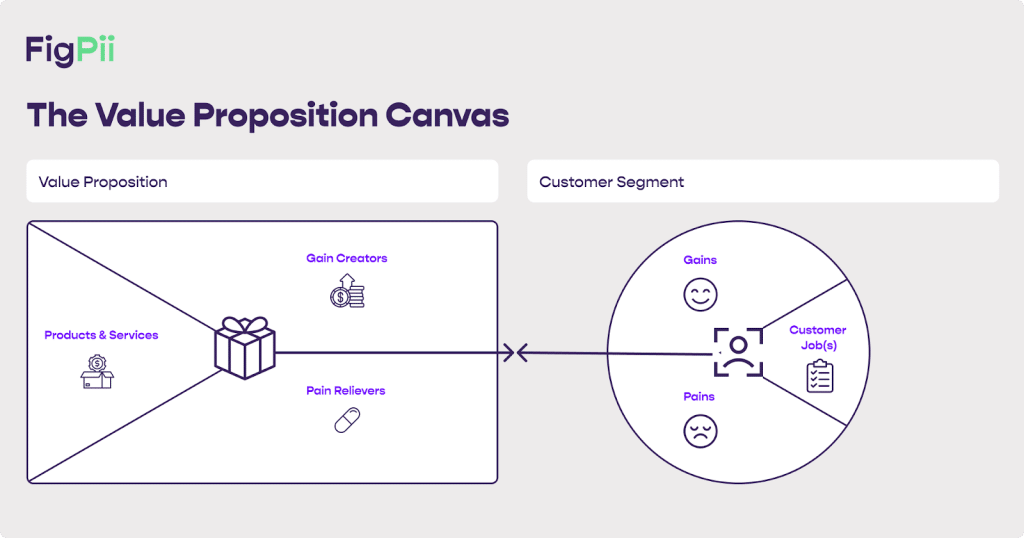
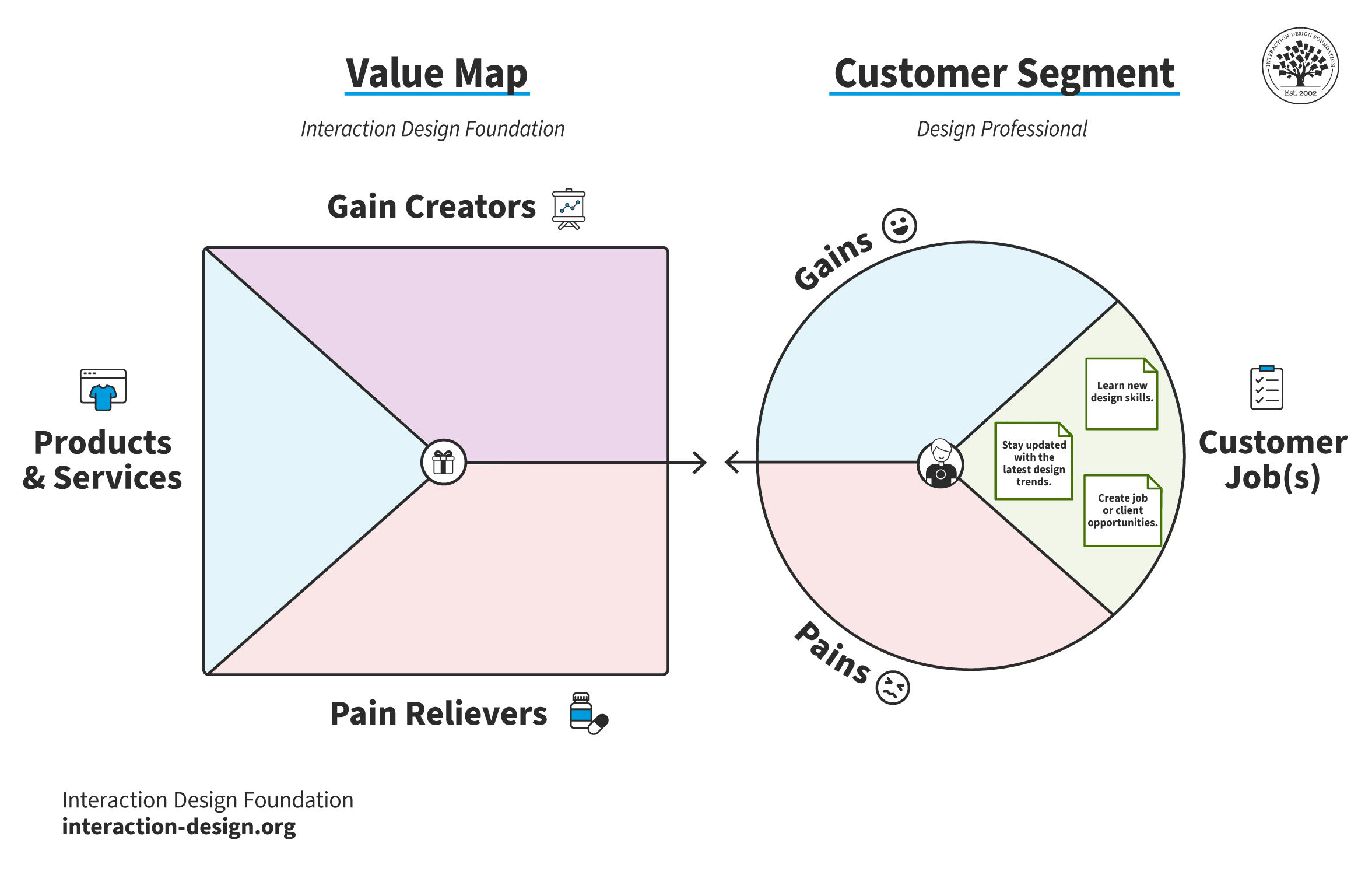
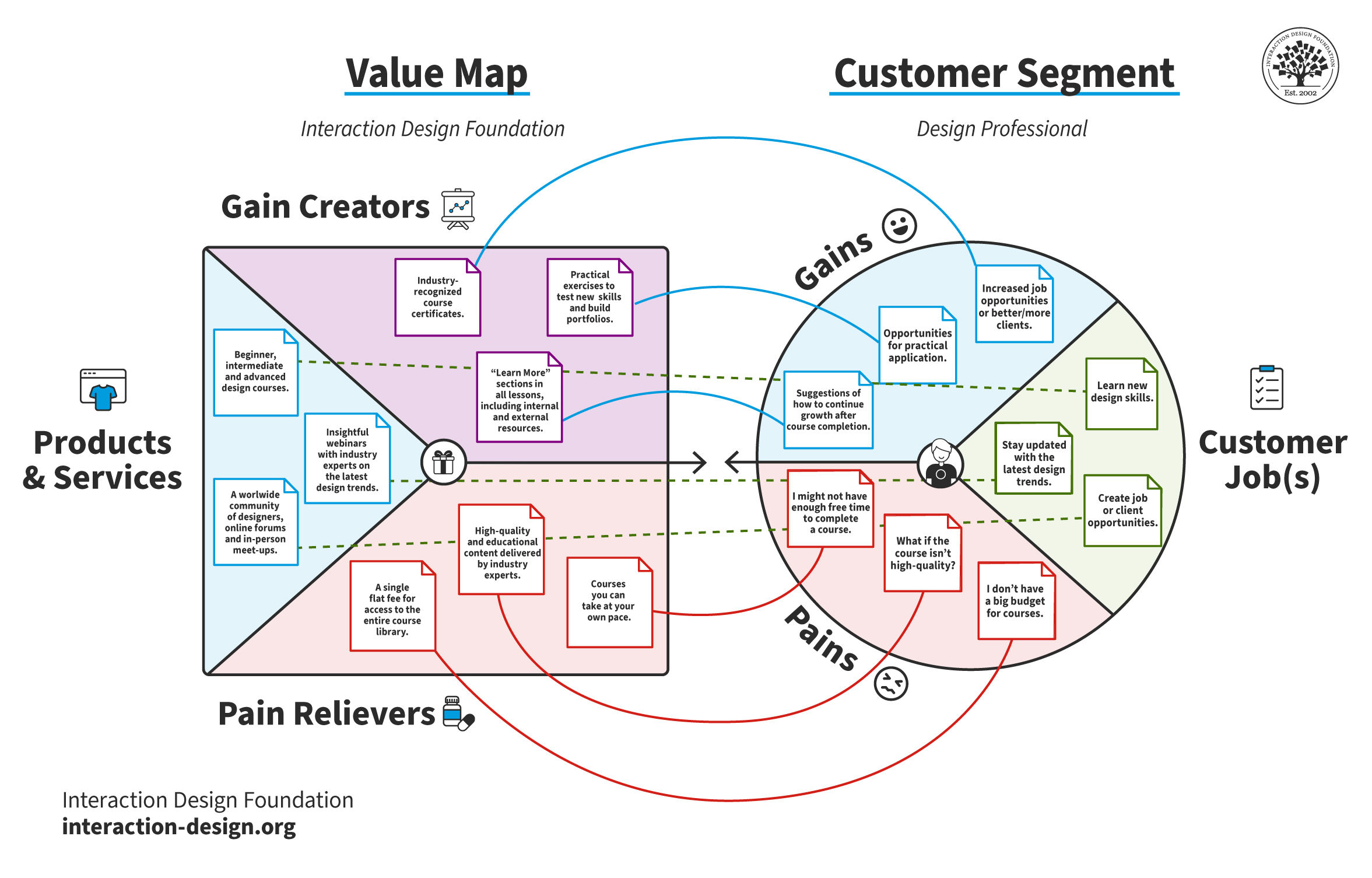
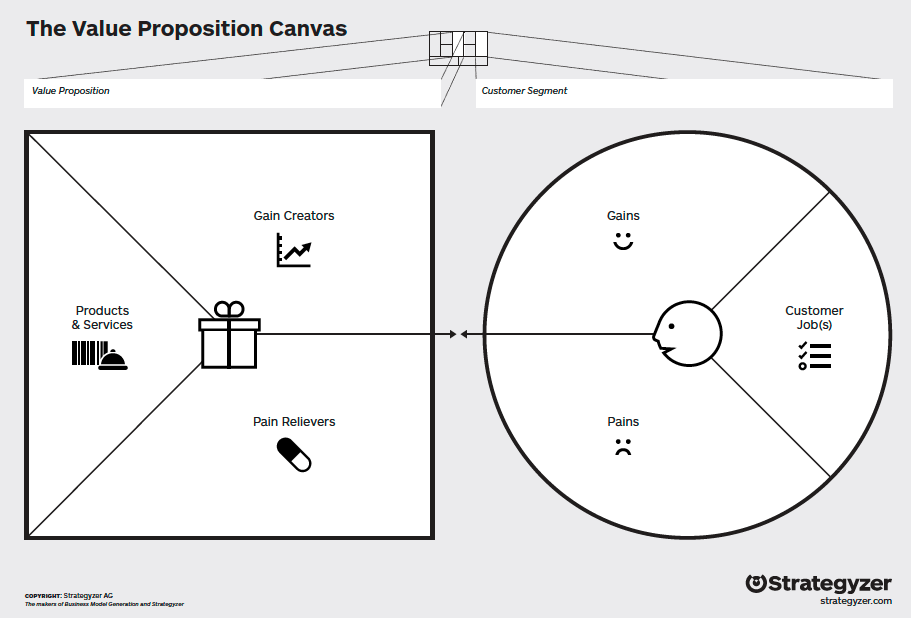
- Test customer pain and interest first. Strategyzer recommends checking whether people actually have the jobs, pains, and gains you assume they do, before building anything substantial.
- Test multiple value-prop statements head-to-head. IDEO U describes a card-sort approach where participants pick which of two options is more valuable, helping narrow a longer list down to the strongest benefits.
- Use Max-Diff if you need faster quantitative input. In this method, respondents choose the most and least important options from a set, which helps rank value propositions at scale.
- Run a fake-door or fake-sales landing page. Strategyzer says a quick, cheap way to test willingness to pay is to set up a fake-sales website and see whether customers will commit.
- Use live messaging on ads or landing pages. UserTesting suggests validating value propositions through messaging tests on landing pages, ads, or other content.
If you want a simple workflow:
- Write 3–5 clear value proposition statements.
- Show them to target customers in pairs or small sets.
- Ask which one is more valuable and why.
- Keep the winners and discard weaker claims.
- Put the best version on a landing page or ad.
- Measure clicks, sign-ups, or preorders to test real behavior.
A good value proposition test is strongest when you already know the target audience, the pain point, and the written offer summary, because concept testing works best once those basics are clear.