Messaging that matches customer language means using the words, tone, and style your customers naturally use, instead of simply translating copy word-for-word. It is also closely related to localization, where messages are adapted to fit a customer’s language and context so they feel natural and trustworthy.
A practical approach is to:
- Define your audience and identify how they describe their problems, goals, and pain points.
- Use the exact phrases customers use in research, support conversations, surveys, and website behavior to shape copy.
- Adapt tone and context, since literal translation can miss idioms, emotion, and cultural meaning.
- Keep brand vocabulary consistent across channels so the same product or service is described clearly everywhere.
- Personalize and keep messages concise, especially in chat, SMS, and social messaging, where short, conversational language performs better.
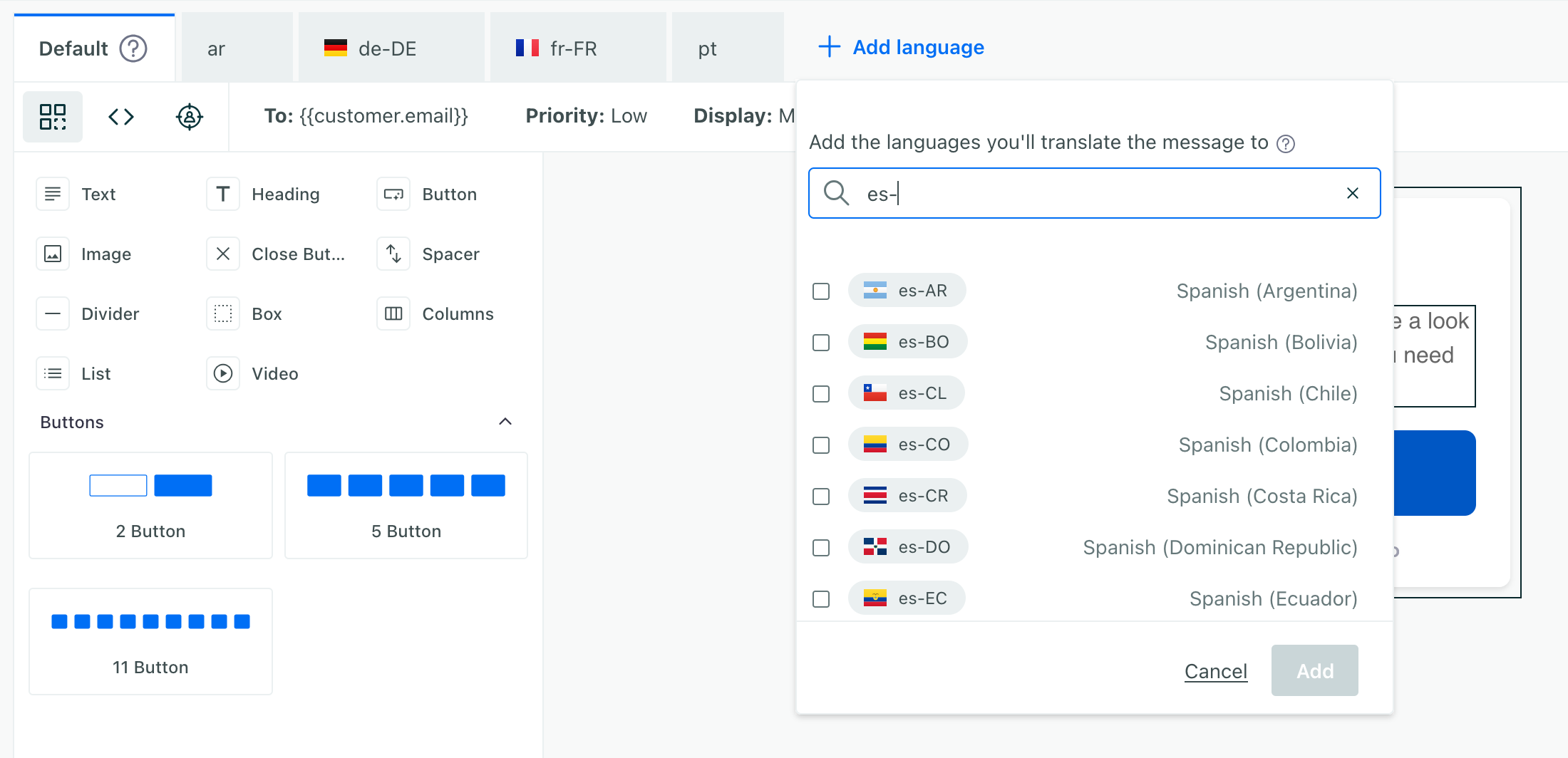
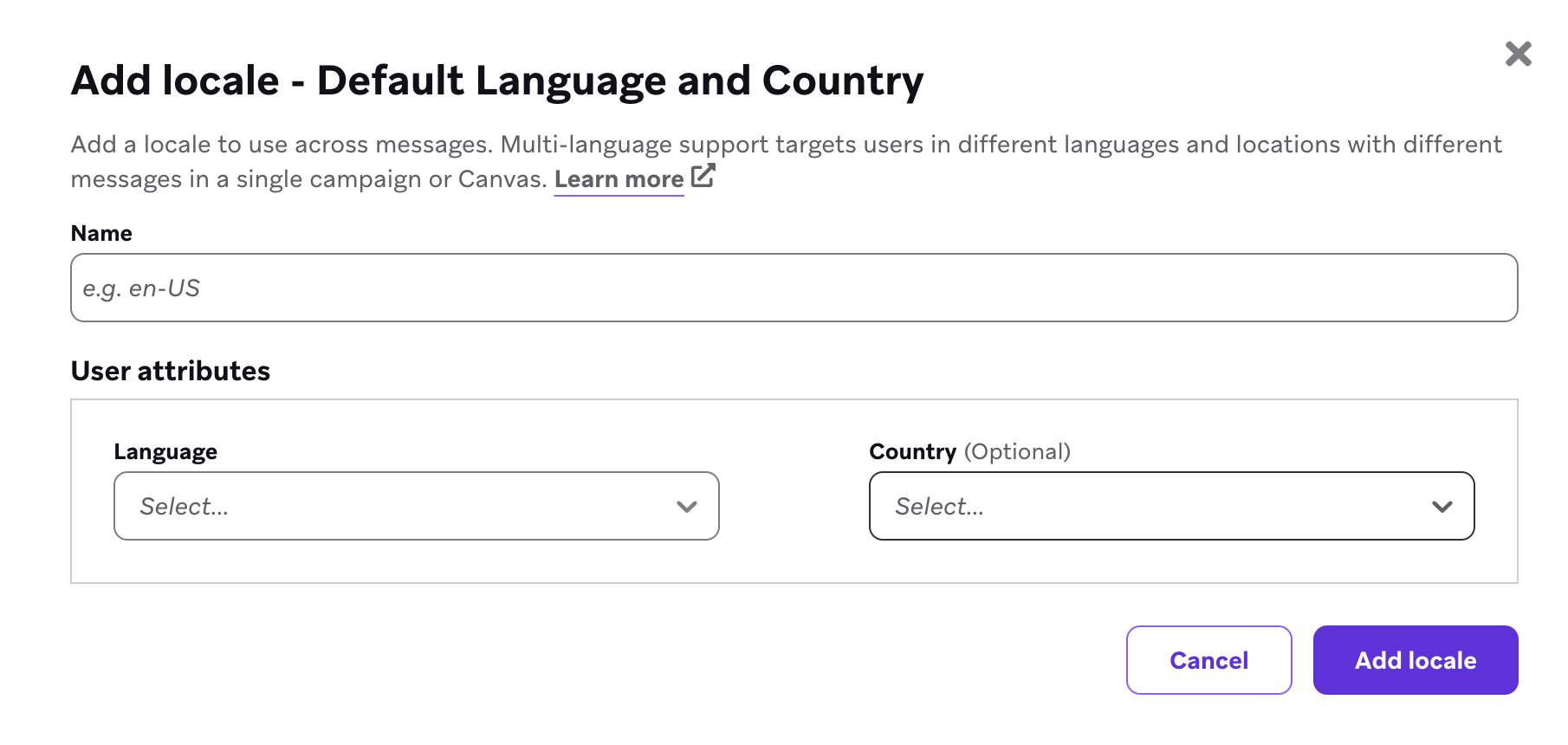
If you mean this in a product or app context, localized messaging systems often use a default message plus language-specific versions, with a fallback when no match exists.