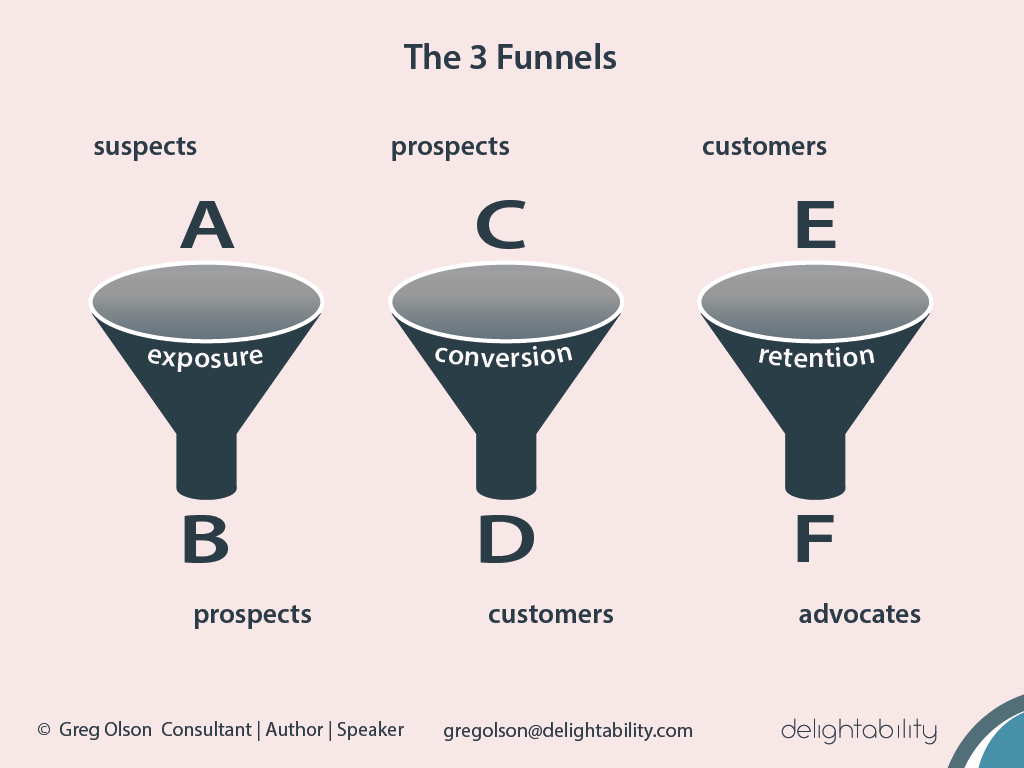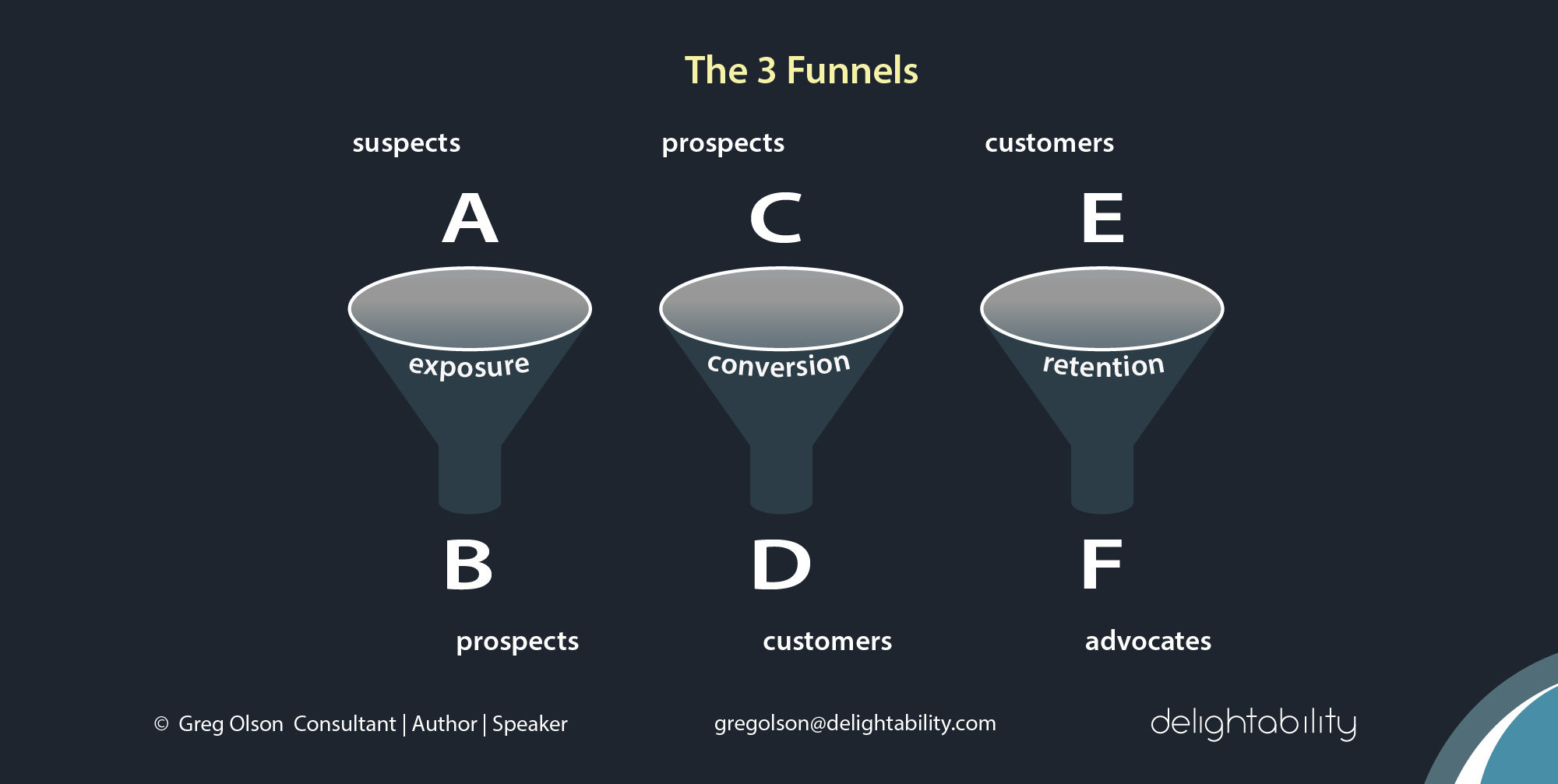
How to Diagnose Why Your Funnel Has Exposure but No Pipeline Growth
If you have exposure but no pipeline growth, the problem usually isn’t awareness itself — it’s the transition from interest to qualified opportunity. A good diagnosis is to find where prospects drop off, why they drop off, and which stage is most expensive to fix first.
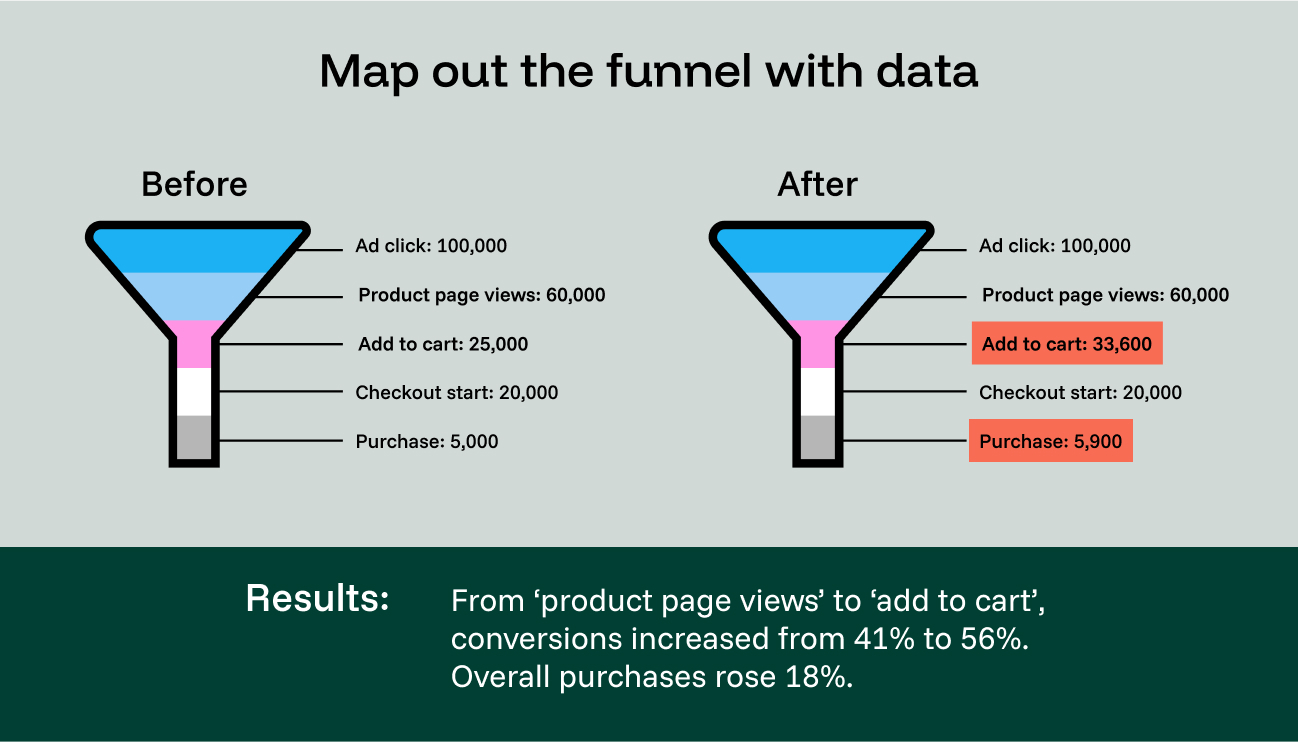
1. Start by mapping the funnel stages
Break your funnel into clear steps, for example:
- Visitor / impression
- Lead
- MQL
- SQL
- Opportunity
- Closed-won
Then calculate the conversion rate between each stage. This tells you exactly where the leak is happening.
2. Find the stage with the biggest drop-off
Look for the weakest stage-to-stage conversion rate.
Common patterns:
- High traffic, low lead conversion → top-of-funnel message or offer problem
- Good lead volume, low MQL-to-SQL → lead quality or handoff problem
- Good SQLs, low opportunities → sales qualification or follow-up issue
- Good opportunities, low closes → pricing, positioning, or sales process issue
3. Segment the data
Don’t just look at totals. Break performance down by:
- Channel
- Campaign
- Persona
- Industry
- Company size
- Rep
- Time period
This often reveals that the funnel is working for one segment but failing for another.
4. Check lead quality and message match
If you have exposure but little pipeline, the audience may be seeing the content but not finding it relevant enough to act.
Ask:
- Is the offer aligned with buyer intent?
- Is the messaging clear and specific?
- Are you attracting the right people?
- Are CTAs strong enough to convert interest into action?
5. Review speed-to-lead and follow-up
Slow response times can kill conversion even when demand exists.
Check:
- How long it takes to respond to inquiries
- Whether follow-up sequences are consistent
- Whether leads are being handed off cleanly between teams
6. Inspect data quality and CRM hygiene
Bad data can make a healthy funnel look broken.
Look for:
- Outdated contacts
- Missing source data
- Incorrect stage definitions
- Duplicate records
- Stalled opportunities with no next step
7. Listen to real sales calls
One of the fastest ways to diagnose middle-of-funnel issues is to review actual conversations.
Pay attention to:
- Why prospects are not moving forward
- Common objections
- Confusion about value
- Qualification mismatches
- Repeated friction points
8. Use a “one leak at a time” approach
Once you identify the biggest leak:
- Fix one issue
- Measure the result for 30–90 days
- Move to the next leak
This avoids changing too many things at once and makes the results easier to interpret.
A simple diagnostic checklist
Ask yourself:
- Is awareness turning into enough leads?
- Are leads converting into qualified opportunities?
- Are certain channels or segments underperforming?
- Is sales response time too slow?
- Are leads going cold after handoff?
- Is the CRM data reliable?
- Are opportunities stalling at the same stage?
Bottom line
If your funnel has exposure but no pipeline growth, the most likely causes are:
- weak offer or CTA
- poor lead quality
- bad stage conversion
- slow follow-up
- broken handoff between teams
- data problems hiding the real issue
The best next step is to analyze conversion rates by stage and segment, then fix the single most expensive leak first.
If you want, I can turn this into a step-by-step funnel audit template you can use in a spreadsheet or CRM.