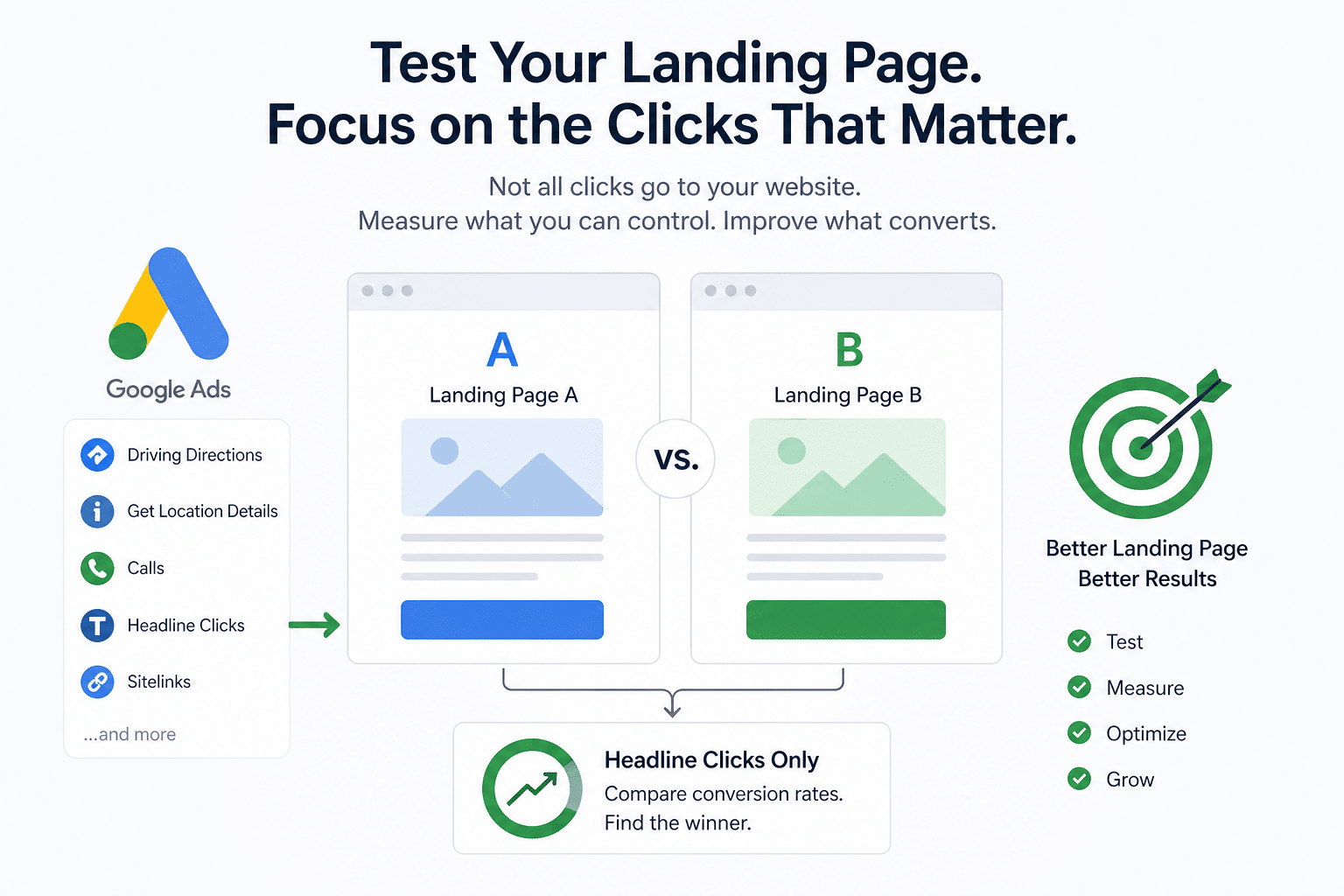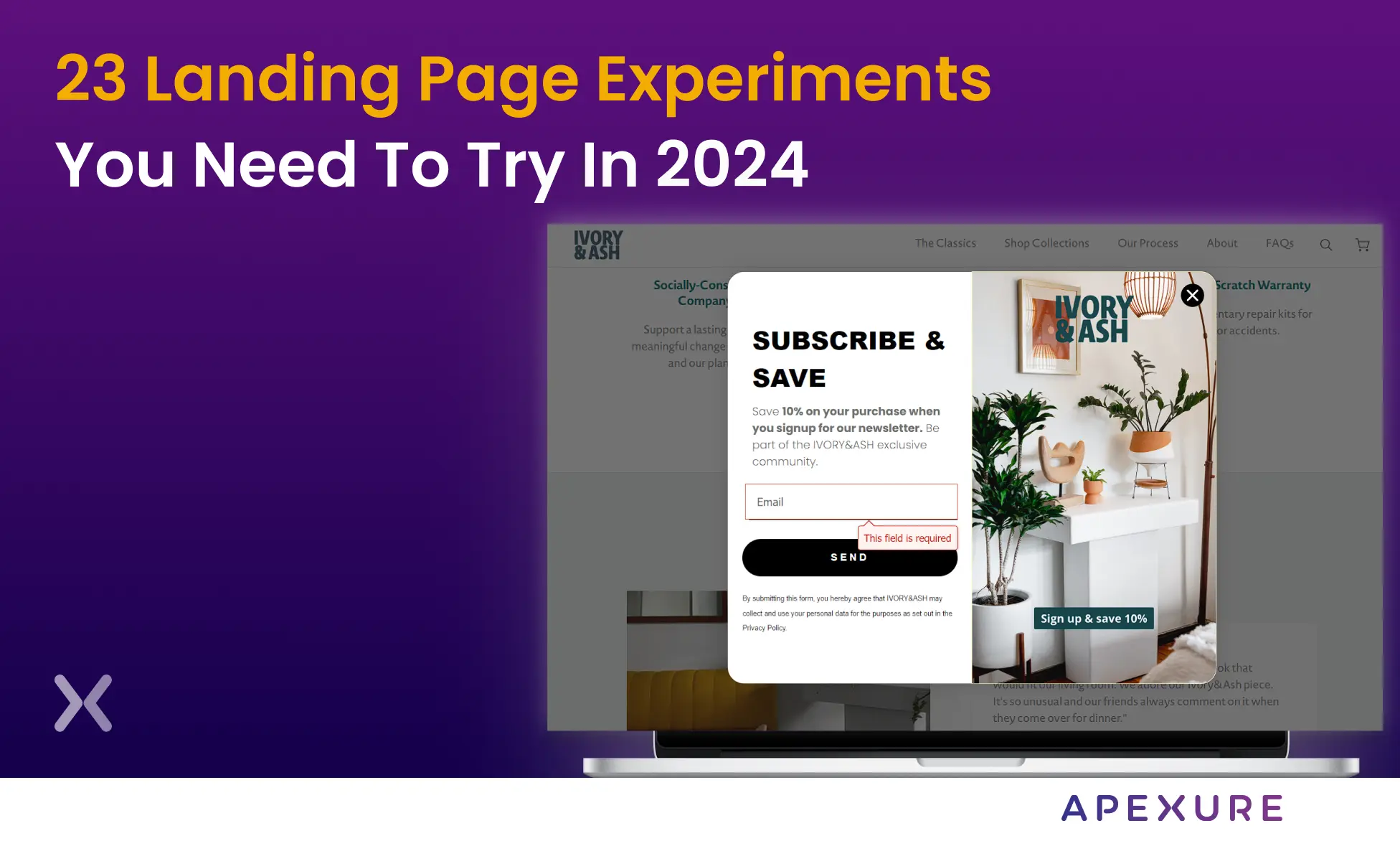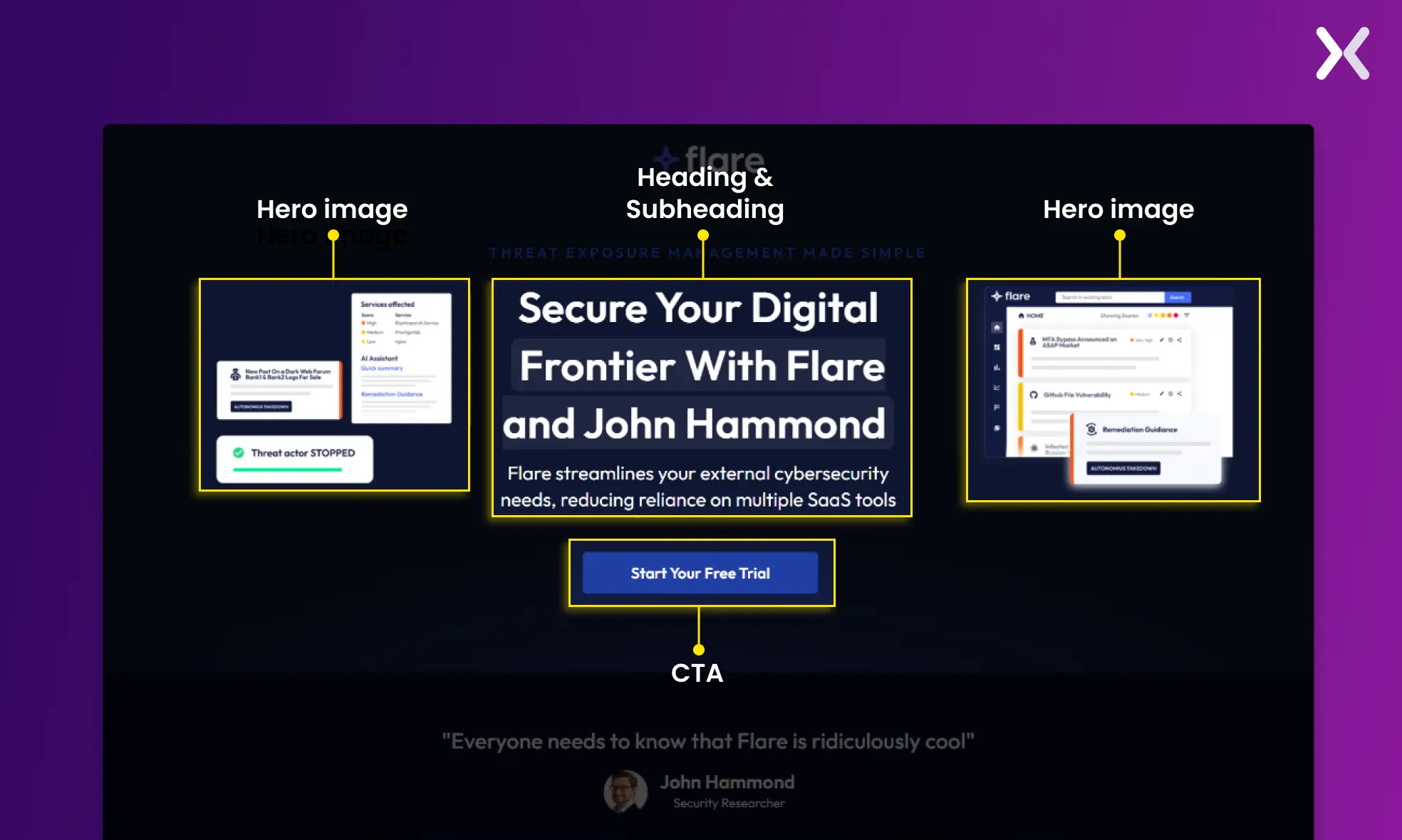
You can run landing page experiments to improve conversion and pricing experiments to find the price or packaging that maximizes revenue and retention.
A practical way to think about them is:
- Landing page experiments test changes to the page experience, such as hero images, CTA placement, form length, testimonials, colors, and message-offer alignment.
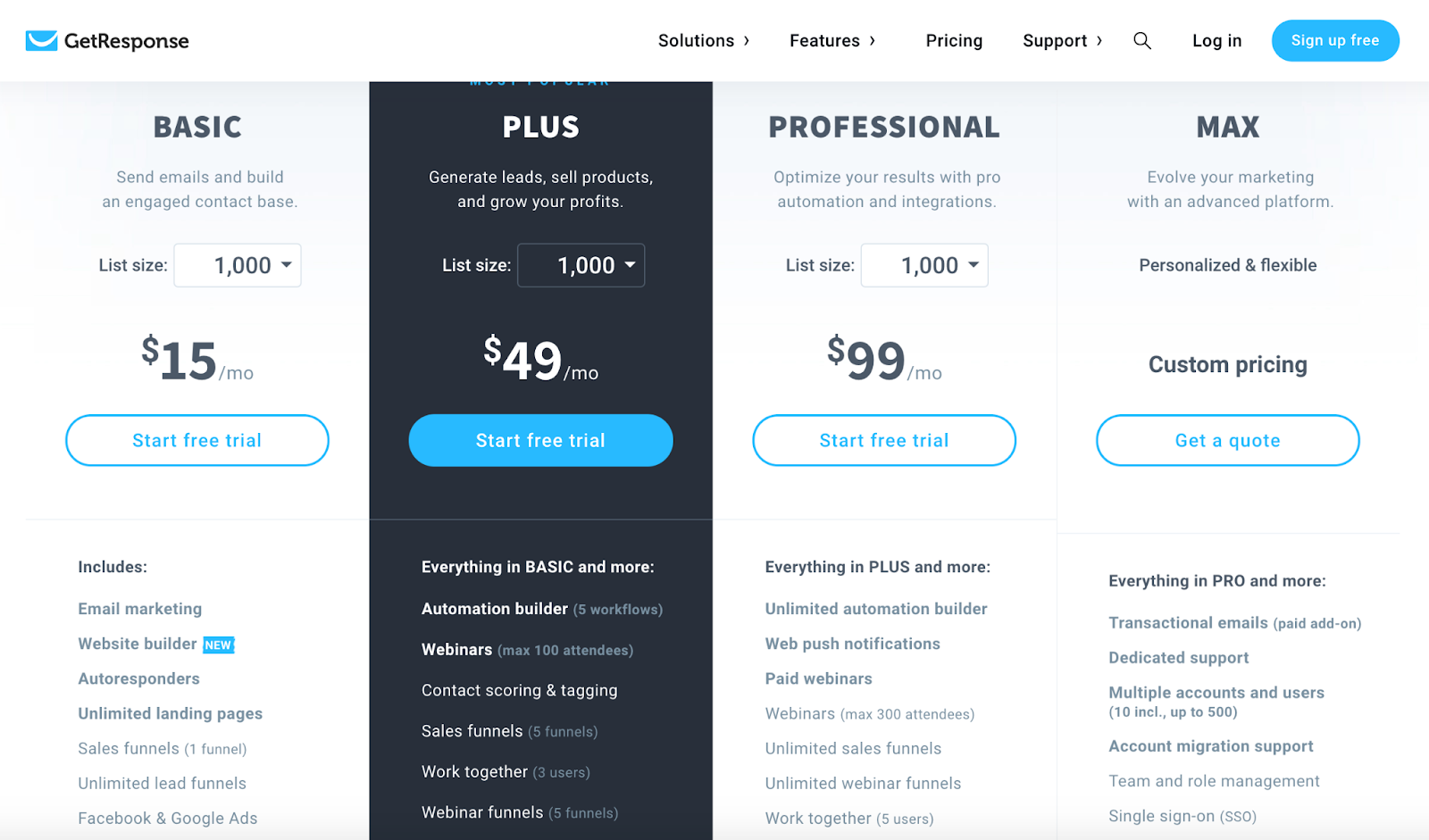
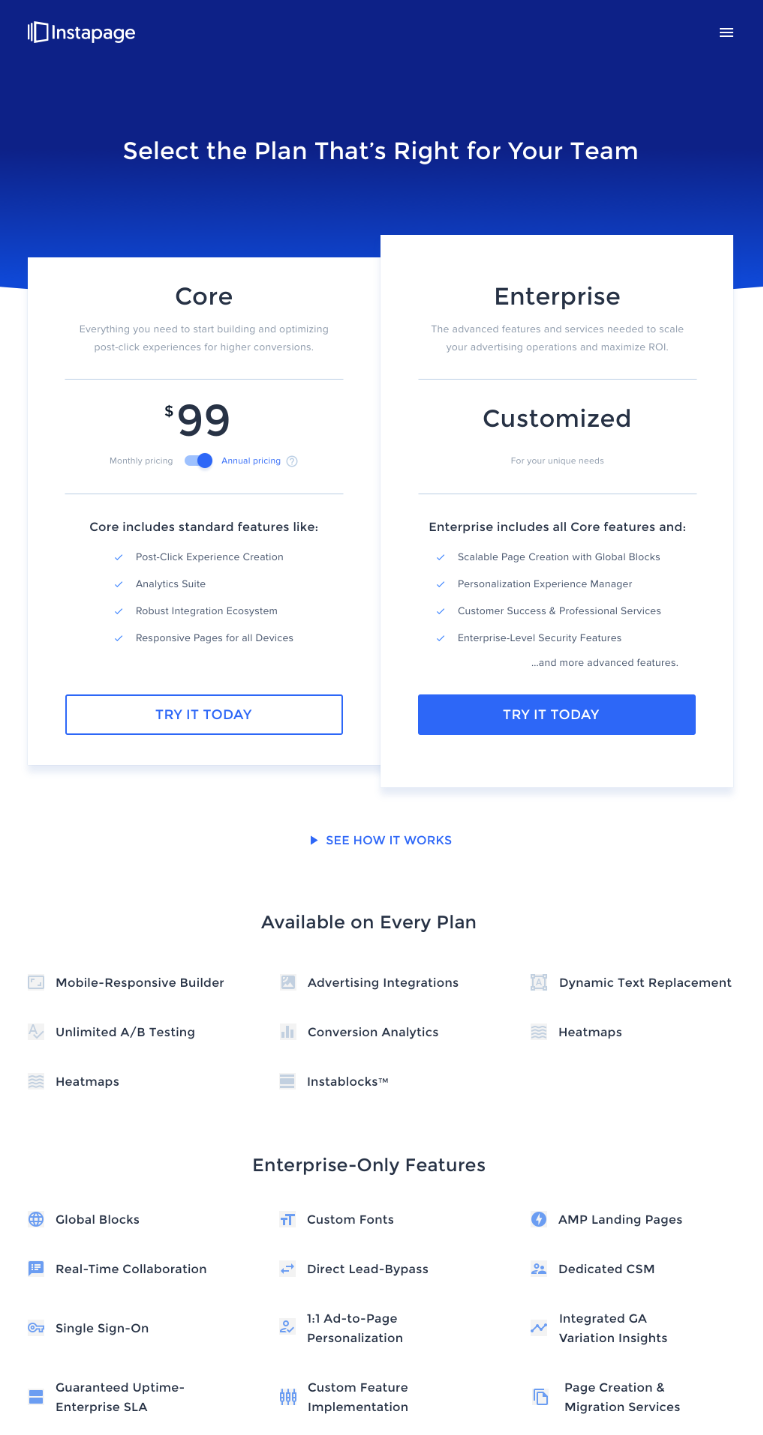
- Pricing experiments test changes to price, packaging, discounts, tiers, or add-ons while keeping the rest of the experience stable so you can isolate the effect of price.
Key ideas from the sources:
- Start with a clear hypothesis and measurable goal before testing.
- Use control and variation groups so you can compare outcomes cleanly.
- Track the metrics that matter most, such as conversion rate, ARPU, revenue, retention, and margin.
- For pricing, test changes in packaging and presentation as well as price itself, since the way an offer is framed can change customer choice.
- Be careful with direct price tests on the same product for different visitors; one source recommends testing different but comparable offers instead of showing different prices for the exact same product to different users.
- Pricing experiments should also consider customer experience, not just short-term revenue.
Examples of landing page experiments include:
- Testing different hero images.
- Moving or repeating CTAs within the page.
- Breaking long forms into multiple steps.
- Testing testimonial format and placement.
- Adjusting colors for CTA visibility.
Examples of pricing experiments include:
- Offering a skip-trial discount or intro discount.
- Testing single-plan vs. multi-plan structures.
- Using price anchoring with a higher-priced tier next to the target plan.
- Bundling an add-on into core plans.
- Testing discount presentation such as slashed MSRP or percentage-off framing.
If you want, I can turn this into a test plan for your product, including hypotheses, variants, and success metrics.