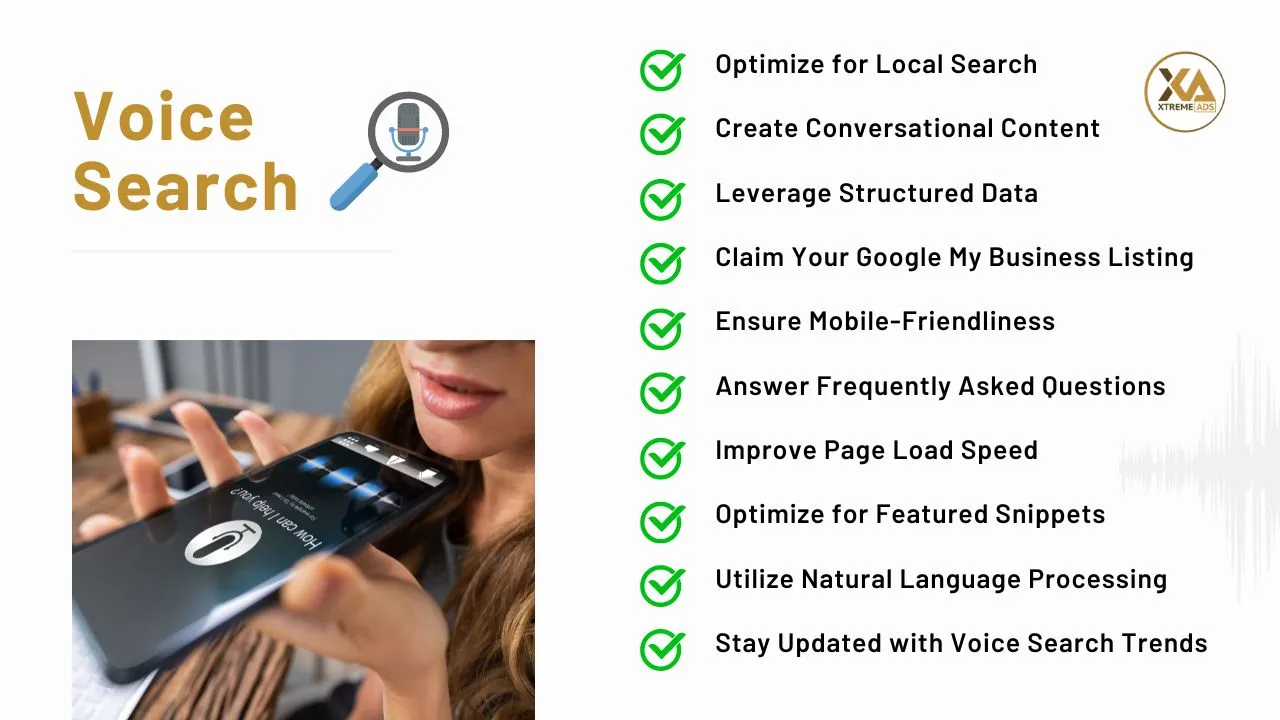
To optimize tutor websites for voice search and mobile-first indexing, focus on creating conversational, natural language content targeting long-tail and question-based keywords, while ensuring excellent mobile performance and technical SEO.
Key strategies include:
-
Use conversational, question-focused content: Write in a natural tone that mimics how people speak, incorporating long-tail keywords and common question phrases (e.g., "how to find a math tutor near me?") to match voice search queries.
-
Optimize for featured snippets: Structure content with clear headings, concise answers (40-60 words), bullet points, and schema markup (FAQ, How-to, Article schemas) to increase chances of being selected as voice search answers.
-
Implement schema markup: Use structured data to help search engines understand and present your content in rich snippets, which voice assistants often pull from.
-
Prioritize mobile-first design: Ensure your website is fully responsive, loads quickly, and offers a seamless user experience on mobile devices, as most voice searches happen on mobile.
-
Improve site speed and technical SEO: Optimize page load times, use HTTPS, and organize content for easy parsing by AI and voice assistants.
-
Leverage local SEO: Include location-specific keywords, maintain accurate business listings (NAP consistency), and create location-based landing pages to capture local voice search traffic.
By combining these approaches, tutor websites can enhance visibility in voice search results and perform well under Google's mobile-first indexing, ultimately attracting more relevant traffic and potential students.