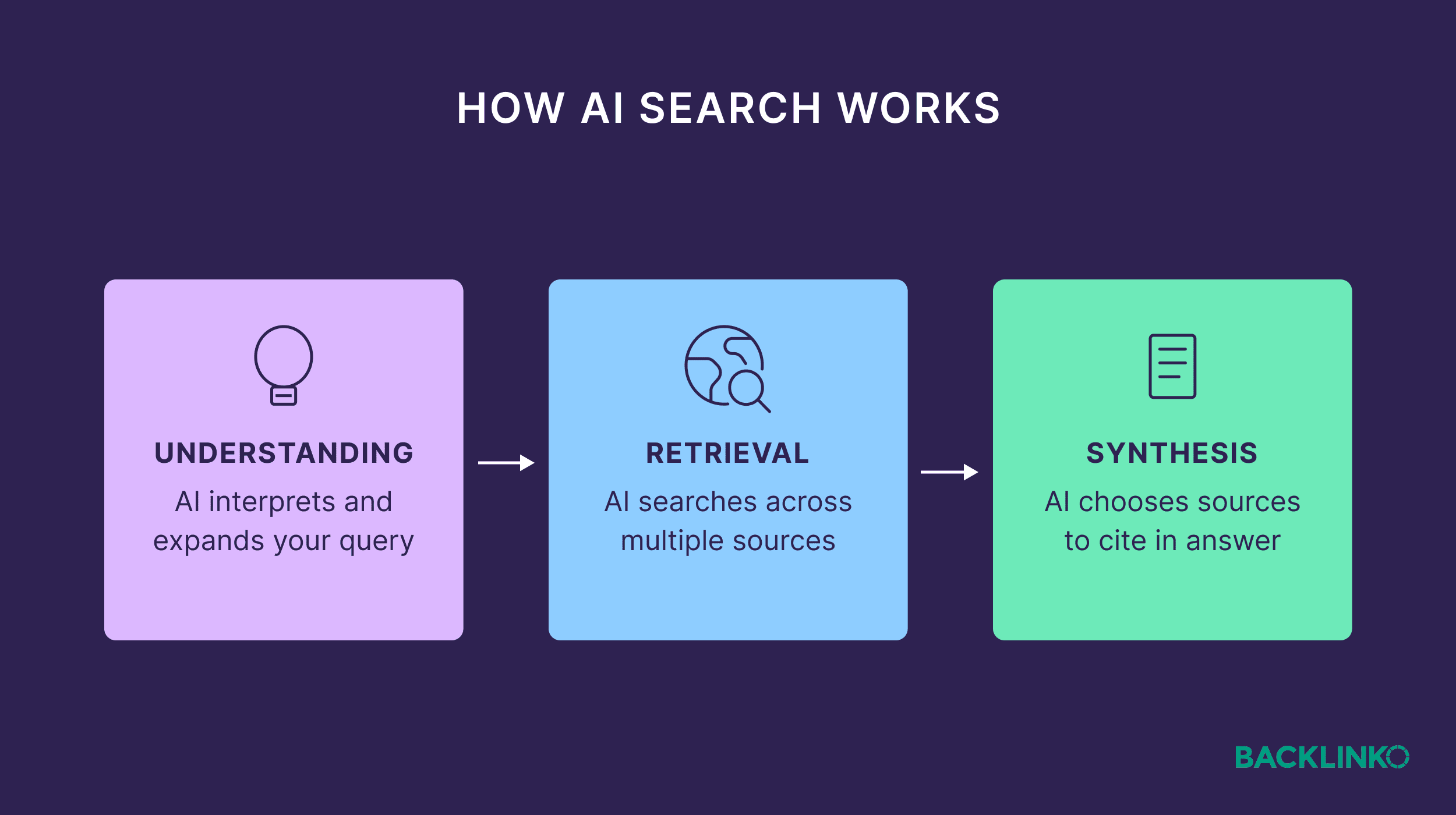
Technical SEO for AI retrieval is about making your pages easy for systems to discover, crawl, render, understand, and reuse. The main basics are crawlability, clean site structure, semantic markup, structured data, and reliable performance.
Core basics
- Make important pages crawlable: ensure key content is reachable through links and not blocked by directives that prevent crawling or indexing.
- Use clear site architecture: keep URL patterns consistent and logical so retrieval systems can infer content relationships.
- Add semantic HTML: use proper headings, lists, and landmarks so machines can parse the page structure more easily.
- Implement structured data: schema markup helps systems understand page type, entities, and context.
- Control indexation: use
noindex, canonical tags, and robots directives carefully to avoid duplicate or unintended pages being indexed. - Submit XML sitemaps: sitemaps help search engines and related systems discover important URLs faster.
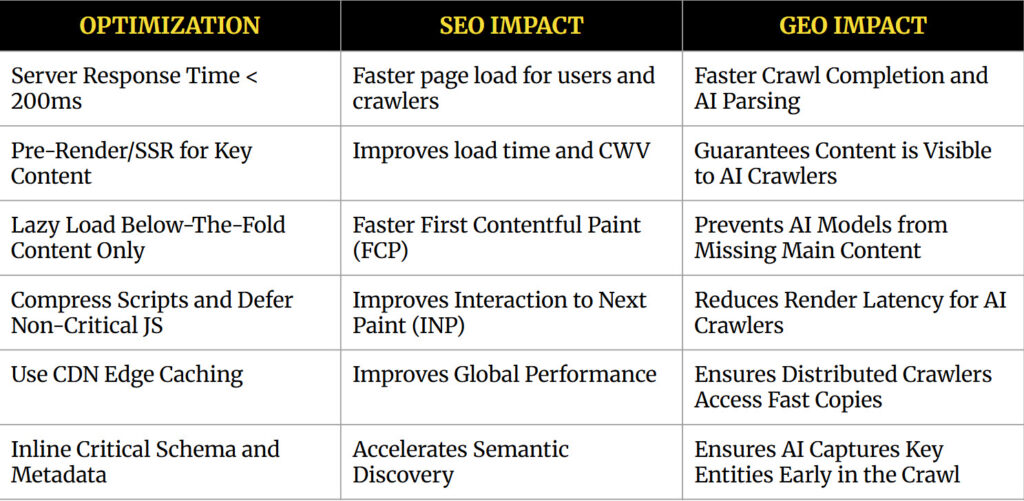
- Optimize performance: fast loading, stable uptime, and mobile-friendly rendering improve access for crawlers and retrieval systems.
For AI retrieval specifically
- Prefer clean, complete HTML for essential content instead of hiding key information behind scripts or interactions.
- Break content into modular sections with descriptive headings so each section can stand on its own in retrieval.
- Keep pages accessible to crawlers and agents by avoiding traps such as infinite faceted URLs or unreachable content.
- Use trustworthy, well-labeled metadata so retrieval systems can map topics, entities, and page purpose more reliably.
Practical starting checklist
- Check
robots.txtand meta robots rules. - Confirm important pages are in your XML sitemap.
- Verify canonical tags and redirects are correct.
- Add structured data for the page type.
- Make sure the page renders important content in HTML.
- Review crawl logs for blocked, wasted, or trapped URLs.
- Improve page speed and reliability.
If useful, a one-page technical SEO checklist for AI retrieval can be provided next.