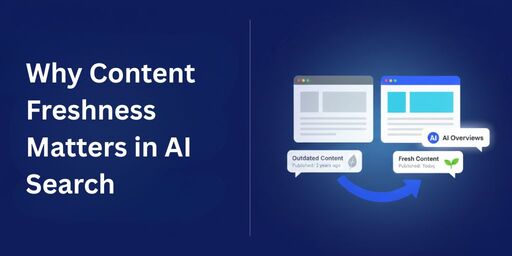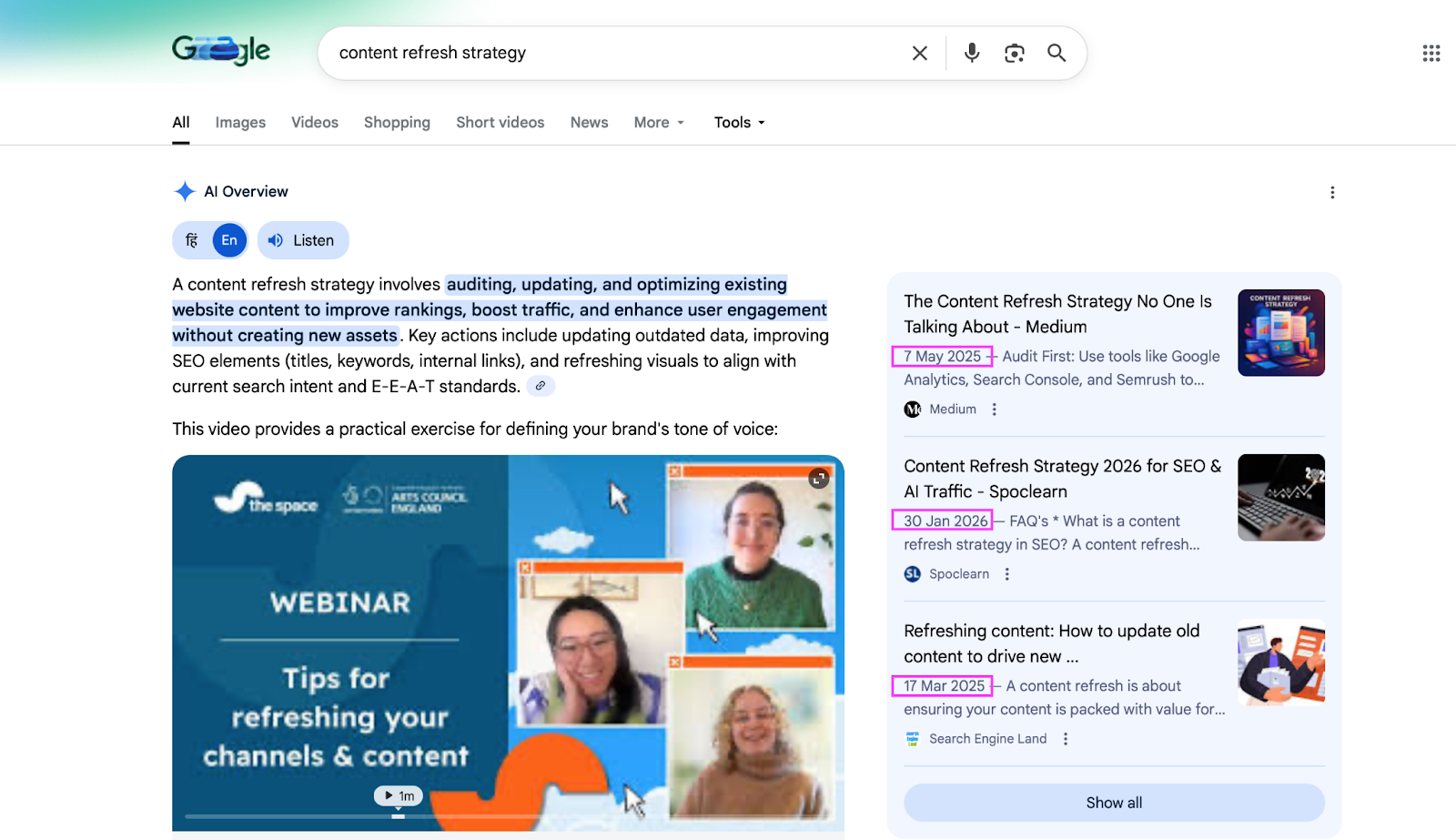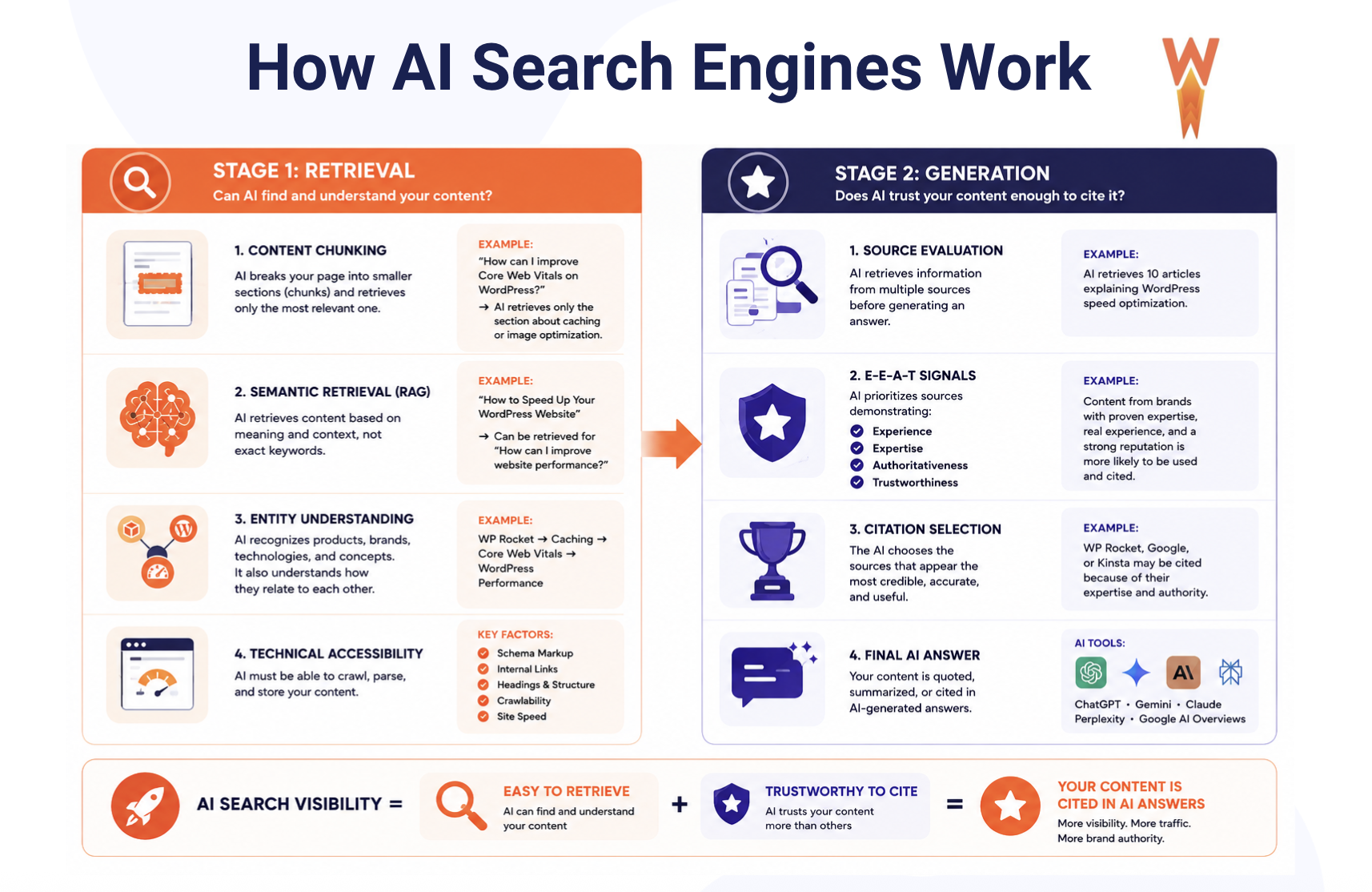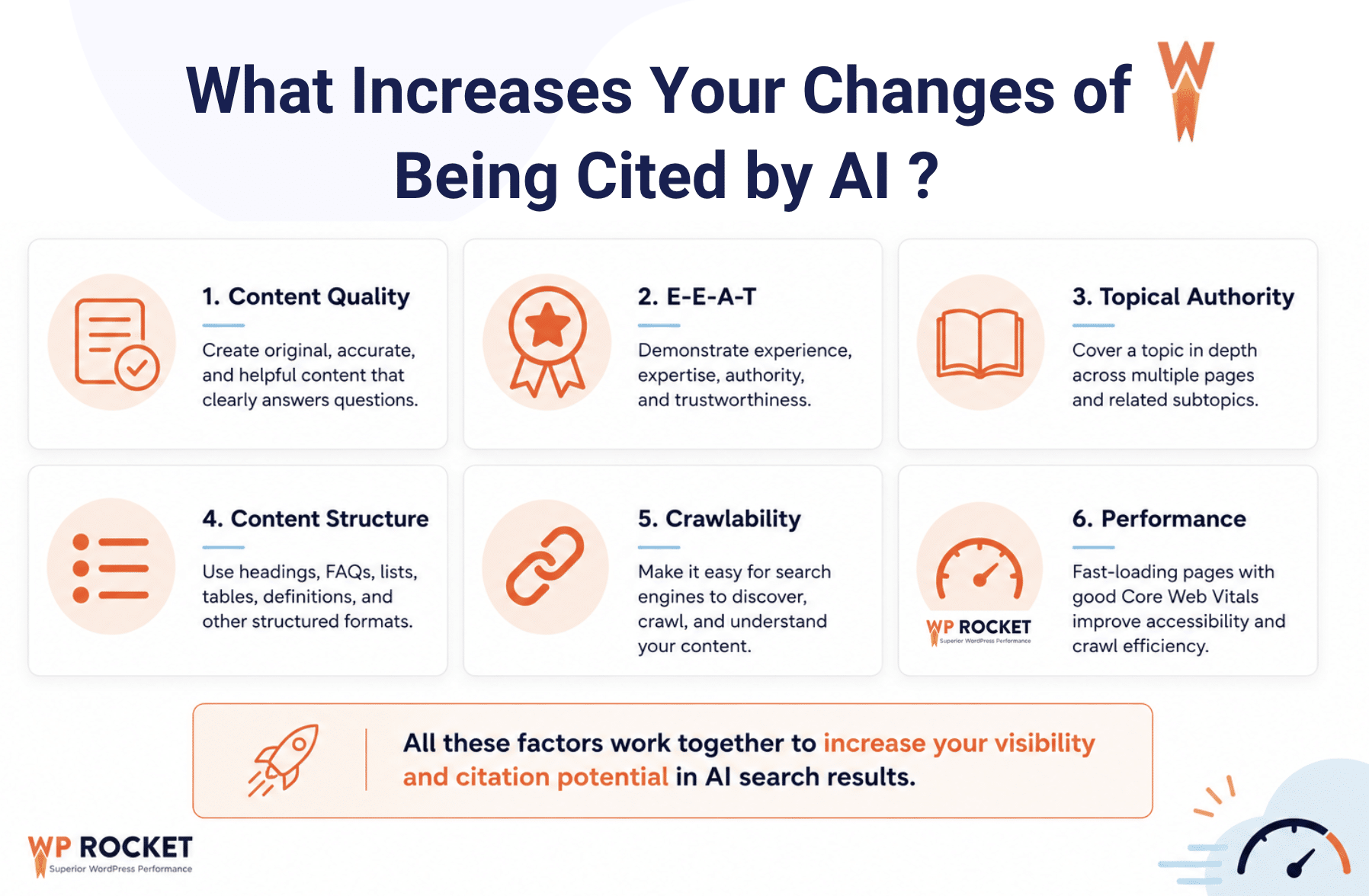
Keeping website content fresh for AI search means updating pages in ways that clearly show they are current, accurate, and still relevant. The strongest signals are visible update dates, substantive content revisions, and machine-readable metadata that matches what readers see.
What to do
- Add a visible “Last updated” date on pages that change over time, and only update it when the content meaningfully changes.
- Use structured data with
datePublishedanddateModifiedso AI systems can read freshness signals reliably. - Refresh statistics, references, and examples with current information, especially on pages that answer time-sensitive questions.
- Republish or review high-value pages on a regular cadence, such as every 3–6 months for important content and quarterly for key evergreen pages.
- Keep the HTML date, schema date, and sitemap
lastmodconsistent so the update signal is trustworthy. - Add new substantive material during updates, such as a new data point, a better explanation, or a recent example, rather than changing dates alone.
- Improve structure and clarity so the page is easy to scan and extract, with direct headings, concise sections, and clear answers to the search intent.
- Refresh internal links by connecting updated pages to newer related content.
Prioritize pages like this
- Update pages with traffic, conversions, or citations first.
- Next, refresh pages with outdated facts, statistics, or tool references.
- Then schedule lower-priority evergreen pages for annual review.
A simple workflow
- Audit your pages for publish date, last update date, and stale facts.
- Identify pages whose cited sources or statistics are older than about 12 months.
- Update the page with new information, not just a new date.
- Match the visible date, structured data, and sitemap metadata.
- Re-submit important URLs for recrawling and add internal links from newer pages.
If helpful, a concise content freshness checklist can be created for blog posts, product pages, and evergreen guides.